Sports Scientists: The Definitive Career and Field Guide
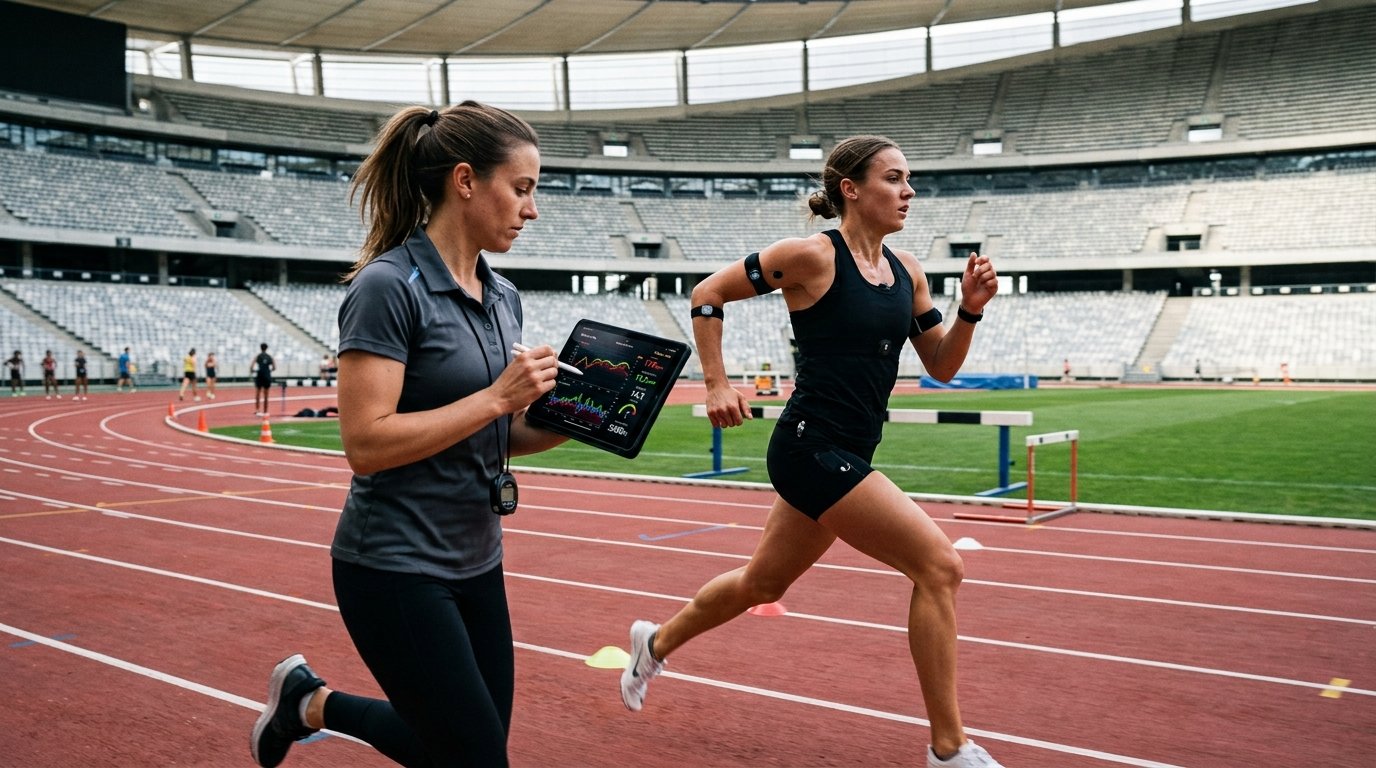
In high-stakes sports, championships often come down to millimeters, fractions of a second, and the rapid mitigation of fatigue. While fans watch the players on the field, an interdisciplinary engine operates behind the scenes to keep those athletes performing at their physical limits. At the center of this movement are sports scientists, the practitioners who translate human biology, kinetics, and complex data streams into competitive advantages.
Whether your goal is to break into the profession, learn how modern franchises analyze workload, or understand the scientific disciplines that guide human movement, this definitive guide covers everything you need to know about the field.
What Does a Sports Scientists Do?
A sports scientist is a performance specialist who applies scientific principles, exercise physiology, biomechanics, and data analytics to optimize athletic performance, accelerate recovery, and reduce injury risk. Rather than relying on guesswork, these professionals evaluate how the human body reacts to physical stress to design evidence-based training regimens.
Day-to-day, these experts act as the analytical bridge between coaching staffs, medical departments, and athletes. Their tasks rarely look identical from one morning to the next, but primary responsibilities typically include:
-
Designing and conducting athlete performance assessment protocols using laboratory and on-field technology.
-
Tracking acute and chronic training loads to avoid overtraining syndrome.
-
Conducting movement analysis to correct inefficient kinematics and reduce mechanical joint stress.
-
Collaborating with strength coaches to structure data-led periodization programs.
-
Translating raw biometric and telemetry data into simple, actionable reports for head coaches.
While high-profile sports scientists often work with Olympic competitors and Premier League football clubs, their expertise is increasingly sought in private sports tech startups, military tactical units, and clinical rehabilitation centers.
Sports Scientist vs. Physiotherapist vs. Athletic Trainer
The sports medicine and athletic preparation landscape includes several titles that casual observers often confuse. While all three roles focus on player wellness, their clinical scopes, objectives, and daily workflows are distinct.
| Role | Primary Objective | Main Focus Area | Required Clinical Licensure |
| Sports Scientist | Optimize athletic performance and reduce injury mechanisms | Biomechanics, workload management, physiology, and performance analytics | No medical license required; board certifications (e.g., NSCA CPSS, BASES) preferred |
| Physiotherapist | Rehabilitate acute injuries and restore functional mobility | Musculoskeletal diagnosis, joint mobilization, and post-surgical rehabilitation | Yes; state or national physical therapy license (DPT or equivalent) |
| Athletic Trainer | Provide acute on-field emergency care and preventative taping | Immediate triage, injury assessment, and basic reconditioning | Yes; national/state certification (e.g., BOC, ATC) |
In a professional sporting organization, these three departments function in a continuous feedback loop. When an athlete tears an anterior cruciate ligament, the physiotherapist oversees clinical rehabilitation. Once cleared for field activity, the athlete transitions to sports scientists and strength coaches, who use force plate analysis and velocity based training to verify that movement mechanics and force-generation symmetry match baseline levels before full competition resumes.
The 5 Core Verticals of Sports Scientists
The discipline is not a singular field of study; it is an umbrella framework that unites five foundational sciences.
1. Exercise Physiology and Metabolic Testing
Exercise physiology examines how cells, muscles, cardiovascular systems, and respiratory networks respond to physical work. In this vertical, professionals run VO2 max testing to measure maximal oxygen consumption, identify lactate threshold points to map out aerobic energy zones, and monitor cardiovascular recovery. This metabolic data guides coaches in developing conditioning sessions that build stamina without draining energetic reserves.
2. Biomechanics and Movement Efficiency
Sports biomechanics treats the human body as a mechanical system governed by physics. Through high-speed cameras, motion capture sensors, and joint vector modeling, biomechanists analyze how an athlete absorbs and creates force. By identifying kinematic breakdowns during sprinting, jumping, or throwing, they spot mechanical flaws that limit power or expose tendons to overuse injuries.
3. Strength and Conditioning
Strength and conditioning involves the practical application of resistance training and periodization. Grounded in physiological adaptation, this vertical focuses on building explosive power, functional hypertrophy, agility, and core stability. It ensures that an athlete reaches peak physical condition for the most demanding phases of a competitive season while factoring in deload periods for tissue recovery.
4. Sports Nutrition and Hydration
Even the best training program will fail if an athlete lacks sufficient fuel. Modern sports nutrition evaluates metabolic output, sweat rates, electrolyte loss, and micronutrient status. Nutrition specialists develop tailored fueling and hydration plans to sustain energy levels, improve post-exercise glycogen resynthesis, and support lean muscle mass retention.
5. Sports Psychology and Mental Conditioning
Physical readiness means little if an athlete buckles under pressure. Sports psychology addresses focus, emotional regulation, anxiety management, and cognitive resilience. By teaching visualization, breathwork, and attention-control strategies, practitioners help athletes stay calm and focused in high-pressure moments.
The Modern Sports Scientist’s Tech Stack
Intuition and stopwatches have given way to sophisticated sensor suites. Today, elite sports scientists rely on specialized software and hardware ecosystems to monitor athletes in real time.
-
GPS Telemetry and Microtechnology: Wearable tracking units (such as Catapult and STATSports) measure total distance covered, high-speed running meters, sprint counts, and metabolic power, giving performance staffs an exact reading of external training loads.
-
Force Plates: Dual force-plate systems evaluate countermovement jumps and isometric mid-thigh pulls. By analyzing eccentric deceleration and concentric force production, coaches can spot neuromuscular fatigue days before an athlete feels sore.
-
Velocity Based Training (VBT): Using linear position transducers and camera systems, practitioners measure the exact velocity of a barbell. If an athlete’s bar speed drops significantly at a standard load, coaches can adjust that day’s lifting volume immediately.
-
Biomarkers and Autonomic Monitoring: Tracking resting heart rate and heart rate variability (HRV) helps performance teams assess the balance between the sympathetic and parasympathetic nervous systems, offering insights into systemic stress and recovery.
Emerging Frontiers: Data, AI, and Female Athlete Physiology
As wearable technology matures, sports scientists are moving beyond simple data tracking toward predictive and personalized performance models.
Machine learning algorithms now analyze training workloads, travel schedules, sleep metrics, and joint loading patterns to identify injury warning signs. While no computer program can predict a collision injury, predictive models help teams spot when an athlete’s movement symmetry or soft tissue capacity is breaking down.
Another critical advancement is the dedicated study of female athlete physiology. For decades, sports science research focused almost exclusively on male subjects. Today, forward-thinking performance teams monitor menstrual cycles, hormonal fluctuations, bone mineral density, and phase-specific nutritional needs. Tailoring training intensity around these physiological cycles helps female competitors manage performance dips and mitigate risks for common issues like non-contact ACL tears.
How to Become a Sports Scientist (Step-by-Step)
Breaking into the profession requires strong academic credentials, technical proficiency, and practical field experience.
Step 1: Complete an Undergraduate Degree
Your first step is earning a bachelor’s degree in sports science, kinesiology, exercise physiology, human movement, or biomechanics. This coursework builds foundational knowledge in functional anatomy, biochemistry, exercise testing, and introductory statistics.
Step 2: Acquire Practical Work Experience
Classroom theory is only half the battle. Seek out sports science internships, volunteer with collegiate athletic departments, or assist local sporting clubs. Gaining practical experience handling GPS units, administering fitness tests, and speaking with athletes is vital for your early career.
Step 3: Earn a Master of Science Degree
Most elite positions in professional leagues and national governing bodies now require a postgraduate degree. A Master of Science in Sports Science or High-Performance Sport allows you to specialize in advanced data analytics, laboratory research methods, and force-velocity profiling.
Step 4: Secure Board Certifications and Accreditations
Professional accreditation verifies your competence and signals high ethical and technical standards to potential employers:
-
United States: The Certified Performance and Sport Scientist (CPSS) credential, offered by the National Strength and Conditioning Association (NSCA), is the premier standard for performance specialists. The ACSM Certified Exercise Physiologist (EP-C) is also widely recognized.
-
United Kingdom: The British Association of Sport and Exercise Sciences (BASES) offers supervised accreditation paths.
-
Australia: Exercise & Sports Science Australia (ESSA) provides the Accredited Sports Scientist (ASpS) credential.
Step 5: Master Modern Data Tools
Modern high-performance departments handle massive amounts of data. Familiarity with spreadsheet analysis is a baseline, but the most competitive candidates also know how to manage databases and create clear data visualizations using tools like R, Python, SQL, and Tableau.
Sports Scientist Salary and Industry Outlook
Earnings in this field vary widely based on your level of education, years of experience, geographic region, and industry sector.
-
Entry-Level (0 to 2 years): Typically ranging from $42,000 to $58,000 annually. These roles usually involve assistant monitoring, equipment setup, and entry-level research.
-
Mid-Level (3 to 6 years): Ranging from $60,000 to $88,000. Professionals at this stage lead sports science testing for university athletic programs, mid-tier clubs, or clinical institutions.
-
Senior / Director of Performance (7+ years): Salaries range from $95,000 to well over $160,000 in major leagues like the NFL, Premier League, NBA, and MLB, or within enterprise sports equipment brands.
The job outlook remains promising. The sports analytics and wearable tech markets continue to expand, opening up opportunities beyond traditional sports teams. Performance specialists are now regularly hired by health tech firms, clinical longevity centers, and tactical government programs.
A Day in the Life: In-Season Workflow
Understanding how a typical workday unfolds highlights the practical demands of working in sports:
-
07:30 AM (Readiness Screening): Athletes arrive and complete quick wellness questionnaires, hydration tests, and countermovement jumps on force plates to assess central nervous system fatigue.
-
09:00 AM (Technical Staff Meeting): The performance staff meets with the head coach to share the morning readiness report and recommend training load adjustments for fatigued athletes.
-
10:30 AM (Live Training Monitoring): During field practice, sports scientists monitor live GPS telemetry on sidelines, ensuring speed and distance targets remain within safe thresholds.
-
01:30 PM (Data Processing and Analytics): Clean, process, and upload sensor records to team management software to generate post-session workload summaries.
-
03:30 PM (Recovery and Return-to-Play): Work closely with injured players completing modified rehab running drills, validating movement mechanics before clearing them for full practice.
Essential Skills for Long-Term Career Success
Technical know-how gets you in the door, but interpersonal and analytical skills determine your career growth:
-
Clear Communication: The ability to explain complex physiological and kinematic concepts in simple, practical terms that busy coaches and athletes can immediately use.
-
Critical Thinking: Knowing how to separate reliable scientific findings from flashy, unproven fitness trends and gadgets.
-
Adaptability: Sports environments are fast-paced and unpredictable; game schedules, weather, and injuries require quick thinking and flexibility.
-
Empathy and Discretion: Building trust with athletes so they feel comfortable reporting genuine fatigue, soreness, and mental stress.
FAQs
Do sports scientists travel with teams?
Yes, especially in professional sports leagues and international competitions. Performance staff travel to oversee athlete recovery, manage travel fatigue and jet lag protocols, track nutrition, and monitor training workloads during away matches.
Can a sports scientist become a physical therapist?
Yes, but doing so requires completing an accredited doctoral or master’s physical therapy program and passing national licensing examinations. While an undergraduate background in exercise science covers many prerequisites, the credentials are distinct.
What is the difference between an exercise physiologist and a sports scientist?
An exercise physiologist primarily studies the body’s acute and chronic responses to exercise, often in clinical settings for patients with cardiac or metabolic conditions. Sports science is broader, combining exercise physiology with biomechanics, psychology, strength training, and data analytics specifically tailored to athletic performance.
Is sports science a stressful career?
It can be demanding. Working in elite sports often involves non-traditional hours, weekend travel, and performance pressure tied directly to wins and losses. However, the opportunity to work directly with elite athletes and solve complex movement problems makes it an exceptionally rewarding field for passionate practitioners.






Post Comment