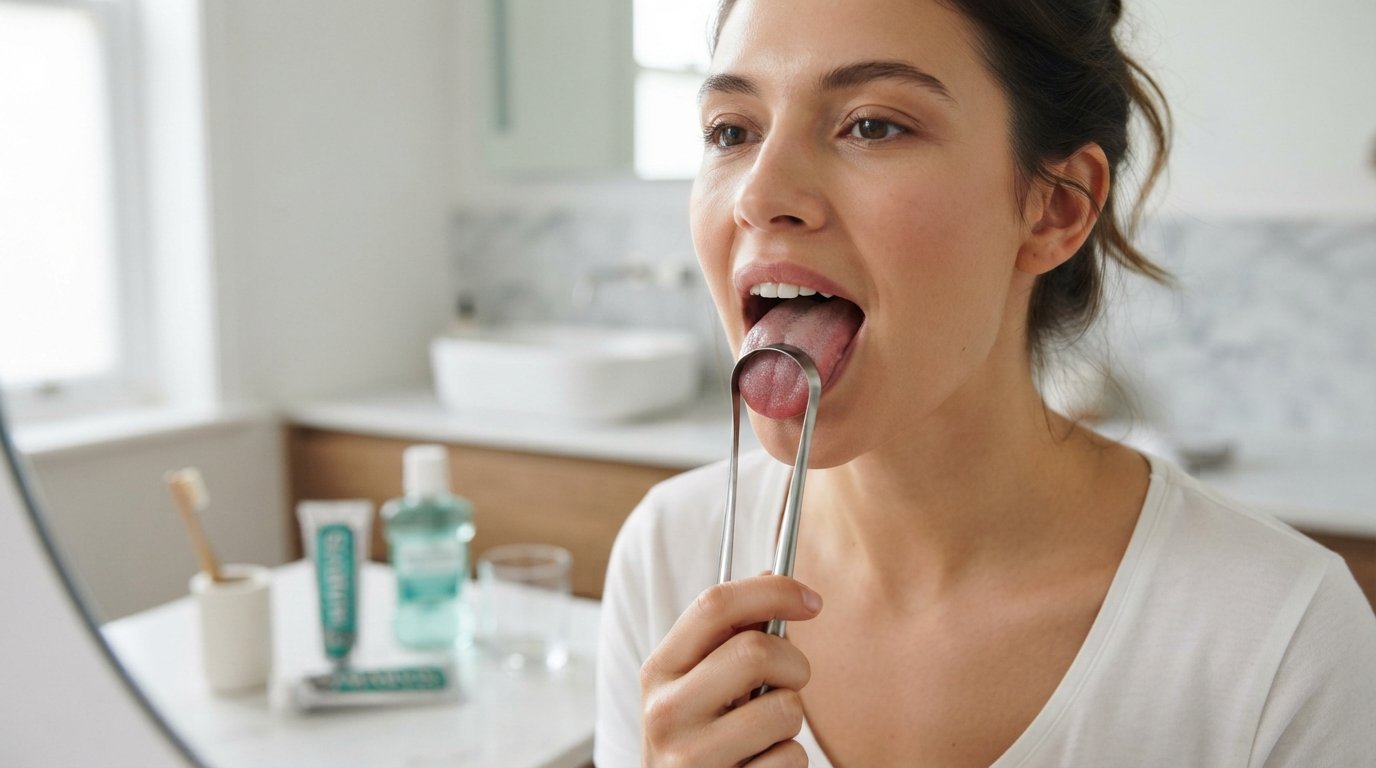
How to Clean Your Tongue: The Complete Dentist-Approved Guide
Most people brush their teeth twice every single day and floss regularly, yet they still battle lingering mouth odors or a dull, coated mouth feeling. The reason is simple. Your teeth make up only about twenty percent of your oral cavity, while your tongue occupies a substantial portion of the remaining surface. If you ignore it, you leave millions of microorganisms undisturbed. Learning how to clean your tongue completes your daily hygiene ritual and protects your overall wellness.
When you wake up in the morning, that stale taste in your mouth usually originates on the surface of your tongue. By understanding how to clean your tongue properly, you clear away food particles and dead cells that collect throughout the day and night.
The Science of Tongue Coating: Papillae, Bacteria, and Bad Breath
Your tongue is not a smooth muscle. It is covered in thousands of tiny projections called lingual papillae. These microscopic elevations create countless valleys, cracks, and grooves where food residue, cellular debris, and dead skin gather over time.
This environment provides an ideal shelter for anaerobic bacteria. As these microorganisms feed on trapped proteins, they produce volatile sulfur compounds, commonly known as VSCs. These sulfur compounds are the primary chemical culprit behind chronic halitosis. When you understand how to clean your tongue, you physically disrupt this biofilm, reducing sulfur production at the direct source.
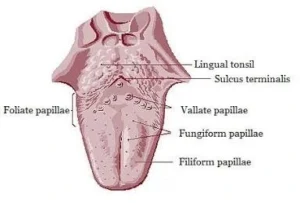
Research also reveals that tongue bacteria play a role in systemic wellness. Certain beneficial strains help convert dietary nitrates into nitric oxide, an essential molecule for healthy blood vessel regulation. However, an overgrown, neglected biofilm allows harmful periodontal bacteria to flourish, migrate onto tooth enamel, and increase your risk for tooth decay, plaque formation, and gum disease.
Tongue Scraper vs. Toothbrush: Which Method Works Best?
When deciding on a cleaning strategy, people often debate between a dedicated scraper and a standard toothbrush. Clinical studies show that specialized tongue scrapers remove significantly more volatile sulfur compounds than toothbrushes alone.
Toothbrush bristles are engineered to scrub smooth, hard enamel surfaces. When used on the soft, sponge-like surface of the tongue, bristles tend to push bacteria deeper into the crevices of the papillae rather than lifting them out. A tongue scraper features a flat, continuous edge designed to sweep across the tongue surface, collecting and dragging the biofilm away cleanly.
A soft toothbrush remains a viable backup option if you do not own a specialized scraper. However, for thorough bacteria removal, a dedicated scraper is far superior.
How to Clean Your Tongue with a Scraper: Step-by-Step Instructions
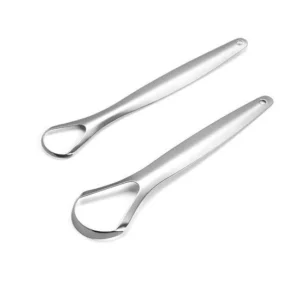
Using a scraper is simple, fast, and takes less than thirty seconds once you master the technique. Follow these steps to maximize cleanliness without irritating your delicate tissues:
-
Stand before a mirror, open your mouth, and gently extend your tongue outward. Relax the muscles in your jaw and tongue rather than flexing them stiffly.
-
Place the curved edge of your scraper toward the rear third of your tongue. Do not start too far back on your first try.
-
Apply light, even pressure and draw the scraper forward toward the tip in a single smooth motion. Never scrape from front to back, as this pushes debris down your throat.
-
Rinse the collected residue off the scraper blade under warm running water.
-
Repeat this forward motion three to four times, angling the tool slightly to clear the left lateral, central groove, and right lateral sections.
-
Spit out any excess saliva, and rinse your mouth thoroughly with clean water or an alcohol-free mouthwash.
Mastering how to clean your tongue using this structured routine guarantees that you remove surface plaque without damaging your taste buds.
How to Clean the Back of Your Tongue Without Gagging
The rear portion of the tongue harbors the greatest density of odor-producing bacteria, but it is also the zone most likely to activate your glossopharyngeal nerve and trigger the gag reflex.
To overcome this issue, use the exhalation trick. As you place your tool and pull forward, exhale slowly through your mouth or hum softly. Exhaling prevents your soft palate from dropping and relaxes your throat muscles.
Another useful technique is progressive desensitization. If you struggle with a hypersensitive gag reflex, start scraping right at the center of your tongue for the first week. Once your mouth adjusts to the sensation, move the tool backward by a few millimeters every few days until you can comfortably reach the rear third.
How to Clean Your Tongue with a Toothbrush
If you do not have a dedicated scraper, you can still maintain good oral hygiene by learning how to clean your tongue with a toothbrush.
Select a brush with soft or extra-soft bristles to avoid scratching lingual tissue. Place a tiny smear of toothpaste onto the bristles. Stick your tongue out and begin gently brushing from the back forward using light, sweeping strokes. Avoid vigorous back-and-forth scrubbing, which can cause micro-abrasions on your papillae.
Rinse your toothbrush frequently between sweeps, and finish with a thorough water rinse to wash away loosened debris. While not as thorough as a scraper, this method is an effective substitute when traveling.
Choosing Your Tool: Copper vs. Stainless Steel vs. Plastic Scrapers
Selecting the proper instrument depends on your preferences, budget, and sensitivity:
-
Stainless Steel: Highly durable, hypoallergenic, and simple to sterilize. Steel cleaners offer rigid edges that lift thick coatings with minimal pressure. They last for years and are dishwasher safe.
-
Copper: Rooted in traditional Ayurvedic practices, copper possesses natural antibacterial properties. Copper scrapers are pliable and effective, though they naturally oxidize over time and require occasional polishing with lemon juice and salt.
-
BPA-Free Plastic: Plastic options are lightweight, flexible, and gentle for individuals with sensitive tongues or children. However, they collect micro-scratches over time and should be replaced every three months.
-
The Kitchen Spoon Alternative: In a pinch, an inverted metal soup spoon acts as an effective makeshift scraper. Place the edge against your tongue and pull forward gently.
How to Clean Your Tongue Naturally and Safely
In addition to manual tools, specific natural rinses and dietary habits support a balanced oral microbiome and help clear stubborn tongue residue:
-
Probiotic Support: Consuming fermented foods like plain yogurt, kefir, and sourdough helps introduce beneficial bacteria that outcompete odor-causing microbes.
-
Baking Soda Paste: Sodium bicarbonate neutralizes oral acids and loosens stubborn white residue. Dip a damp, soft brush into baking soda and gently sweep the tongue surface before rinsing.
-
Aloe Vera Swish: Rinsing with pure aloe vera juice soothes oral tissues and reduces bacterial accumulation due to its natural anti-inflammatory properties.
-
Raw Garlic: Garlic contains allicin, a natural compound that helps curb overgrowths of bacteria and fungi in the mouth.
Special Care: Piercings, Dry Mouth, and Newborn Tongue Care
Certain oral circumstances demand extra care when considering how to clean your tongue:
-
Tongue Piercings: Metal jewelry can trap plaque and food particles around the fistula. Carefully remove the barbell once the piercing is completely healed to sanitize the jewelry in boiling water. Gently clean around the pierced area using a soft brush, and swish with warm saline solution.
-
Dry Mouth (Xerostomia): Saliva naturally washes away bacteria. If you take medications that induce dry mouth, or use a CPAP machine, tongue coating builds up rapidly. Drink plenty of water and use moisturizing oral sprays before scraping to protect dry, delicate tissue from friction tears.
-
Newborns and Infants: A newborn baby’s tongue can develop milk residue that resembles a white coating. Never use adult scrapers or brushes on an infant. Wrap a clean, damp piece of sterile gauze around your index finger and gently wipe the baby’s tongue, gums, and inside cheeks in circular motions.
Tool Hygiene: How to Clean and Sanitize Your Tongue Cleaner
Using an unwashed scraper can reintroduce bacteria into your mouth. After every cleaning session, wash your scraper thoroughly under warm running water and dry it upright in an open-air holder.
Once a week, sanitize metal scrapers by placing them in boiling water for three minutes or soaking them in an antibacterial denture solution. If you use a plastic cleaner, soak it in a fifty-fifty mixture of warm water and hydrogen peroxide for ten minutes. Replace plastic tools every three months or immediately after recovering from a cold, flu, or oral infection.
White Tongue vs. Oral Thrush: When to See a Dentist
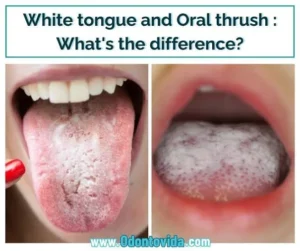
A light white coating caused by trapped food debris and dead cells usually clears away after a few passes with a scraper. However, persistent tongue discoloration may signal an underlying medical condition:
-
Oral Thrush (Candida albicans): This fungal infection creates thick, cottage-cheese-like patches. If you attempt to scrape thrush off, it leaves raw, red, bleeding tissue underneath. Thrush requires antifungal medication prescribed by a healthcare professional.
-
Oral Leukoplakia: Characterized by firm, thickened white plaques that cannot be scraped away. Leukoplakia is often linked to chronic irritation or tobacco use and should be evaluated by a dentist.
-
Geographic Tongue: Smooth, red patches with raised white borders that shift location across the tongue. This condition is harmless but can feel sensitive to spicy or acidic foods.
-
Black Hairy Tongue: Occurs when papillae fail to shed normally, growing elongated and trapping dark pigments from coffee, tobacco, and chromogenic bacteria.
If your tongue coating is painful, bleeds, or fails to improve after two weeks of consistent oral care, schedule an appointment with your dentist.
Best Practices and Frequency: When and How Often to Clean
For optimal results, make tongue cleaning a routine morning habit. While you sleep, salivary flow drops, allowing bacteria to multiply across your lingual papillae. Cleaning your tongue first thing in the morning clears this overnight accumulation before you swallow breakfast or drink water.
Many people wonder whether to clean the tongue before or after brushing teeth. It is ideal to scrape your tongue first. This lifts and expels the bulk of oral bacteria so you do not smear them across your teeth. Afterward, brush your teeth with fluoridated toothpaste, spit out the excess lather, and avoid aggressive rinsing so the protective fluoride remains on your enamel. Clean your tongue once or twice daily alongside your regular dental routine.
FAQs
Can scraping your tongue damage your taste buds?
No, as long as you use gentle pressure. Taste buds sit deep inside the papillae grooves. Light forward sweeps remove superficial dead cells and debris without harming your taste receptors. In fact, removing this coating often sharpens your ability to taste food and drink.
Why does my tongue turn white again shortly after cleaning?
Your mouth is a living ecosystem where cells shed continuously. If you breathe through your mouth, stay dehydrated, or drink coffee, dead cells and bacteria can accumulate again by afternoon. Consistent hydration and twice-daily cleaning prevent heavy buildup.
Can you use mouthwash instead of scraping?
Mouthwash freshens breath temporarily and reduces free-floating bacteria, but it cannot penetrate the thick, sticky biofilm nestled inside lingual papillae. Physical removal via scraping is essential to clear the underlying debris.
Is it safe to scrape your tongue every day?
Yes. Gentle daily scraping is safe, dentist-recommended, and forms an essential pillar of comprehensive oral hygiene.










Post Comment