How to Reduce Stress Naturally: A UK Guide to Feeling Calmer Every Day
Pressure touches everyone. A short burst sharpens you. It helps you meet a deadline, catch a train, or speak up in a meeting. Learning how to reduce stress naturally starts with noticing what pressure does to you. When the alarm stays on for weeks, it wears you down. Your muscles stay tight. Your sleep turns thin. Small problems start to feel huge. This guide explains what stress and anxiety do to your body. It shows how to reduce stress and anxiety with daily habits, breathing, sleep and support — and when to ask a GP for help.
What Stress Does to Your Body
First, your brain runs the response. It spots a threat and sends out stress hormones — adrenaline and cortisol. For example, adrenaline quickens your pulse and sharpens your senses. Cortisol keeps you on alert and frees quick energy from your blood sugar. Both chemicals help in short bursts. When they stay high for weeks, they drain you.
Signs of anxiety often show up in the body first. Your heart races, your chest feels tight, and your hands shake. Your stomach also churns, your mouth turns dry, and your head aches. When stress stays high, chronic stress symptoms settle in for the long haul. Shoulders ache. Jaws stay clenched. Sleep breaks. Mood turns flat, and the mind wanders. Wonder why your muscles ache under stress? Your body braces for danger, so your neck, shoulders and jaw stay tense without you realising.
Everyday Habits: How to Reduce Stress Naturally Day by Day
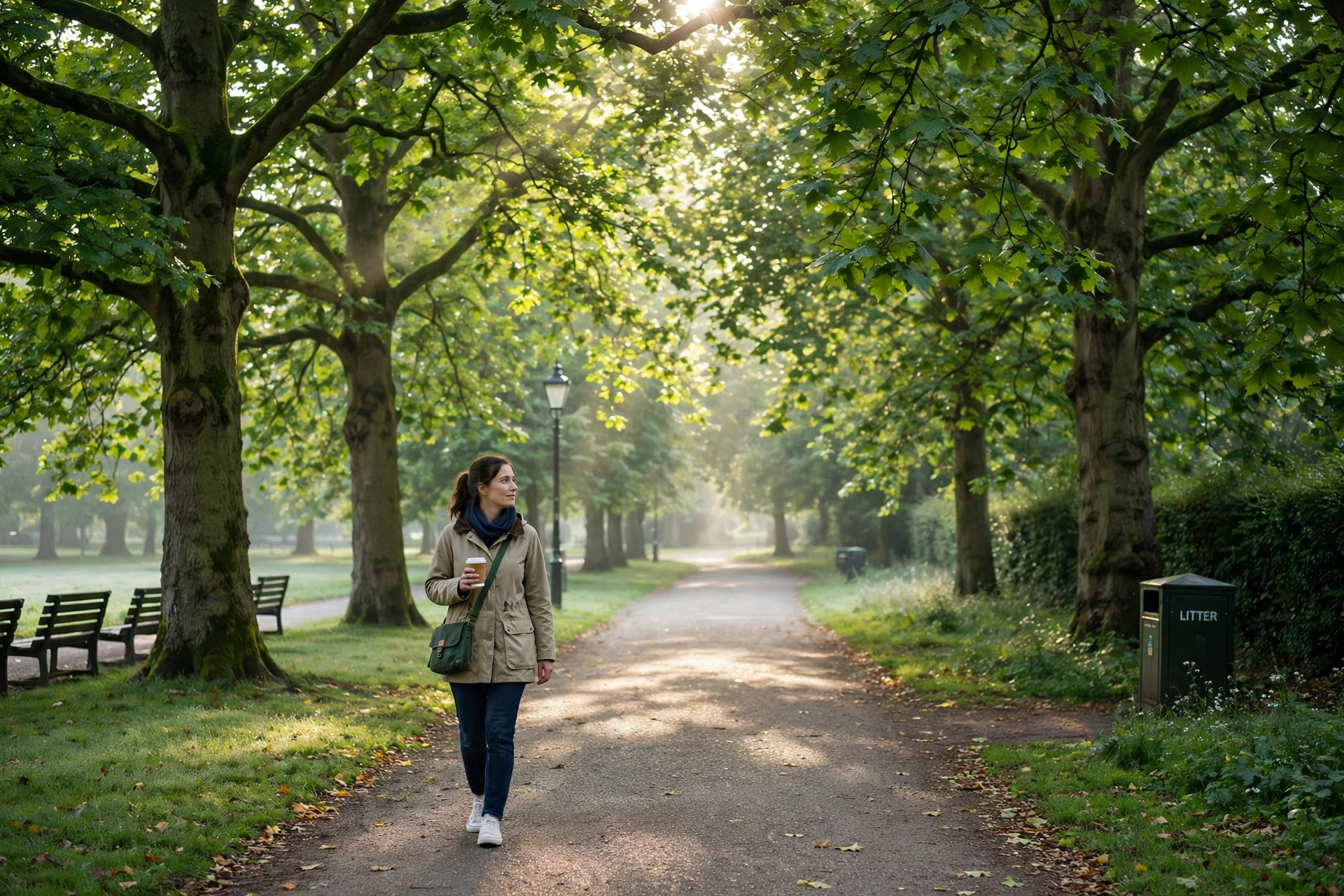
In fact, daily habits shape your stress levels more than any single trick. First, start with movement. A brisk walk, a bike ride or a swim burns off nervous energy and lifts your mood. Ten minutes still counts. Aim for roughly half an hour of movement on most days. Regular activity helps you learn how to lower cortisol naturally, since steady movement brings stress hormone levels down over time.
Food and drink matter too. Also, eat regular meals and drink enough water through the day. Ease off caffeine and alcohol — both stir up restless feelings and break your sleep. After that, look at your screens. Constant news and social media keep your brain on alert. Switch them off an hour before bed. Keep your phone out of the bedroom at night.
Talking helps as well. Share the worry with a friend or a family member — saying it out loud often shrinks it. Next, plan tomorrow tonight: lay out clothes, write the top three tasks, and pack the bag. This simple step shows how to alleviate stress before the day even starts. Finally, protect one small pleasure each day — a walk, a bath, a chapter of a book. These small habits add up — this is how to reduce stress naturally, one steady day at a time.
Breathing and Mindfulness: How to Reduce Stress Naturally in the Moment
Slow breathing calms your body fast, so start there. Try belly breathing. Sit down and rest one hand on your stomach. Breathe in through your nose so your belly rises. Then breathe out slowly through your mouth. Count ten slow breaths. Your heart rate drops and your shoulders loosen. This simple practice shows you how to reduce stress naturally in minutes. Use it anywhere — on a bus, before a meeting, or in bed at night.
Similarly, mindfulness activities work in the same way. Mindfulness means staying with this moment, instead of replaying the past or fearing the future. Try a listening exercise. Close your eyes for one minute. Name every sound you hear — traffic, birds, a clock ticking. Next, try muscle relaxation: tense your fists hard for five seconds, then let them go loose. Work up through your arms, shoulders and legs.
Each small win teaches you how to lower anxiety before it grows. Pick one technique and use it every day for a week. Short, regular practice beats one long session.
Sleep and Stress: How to Reduce Stress Naturally at Night
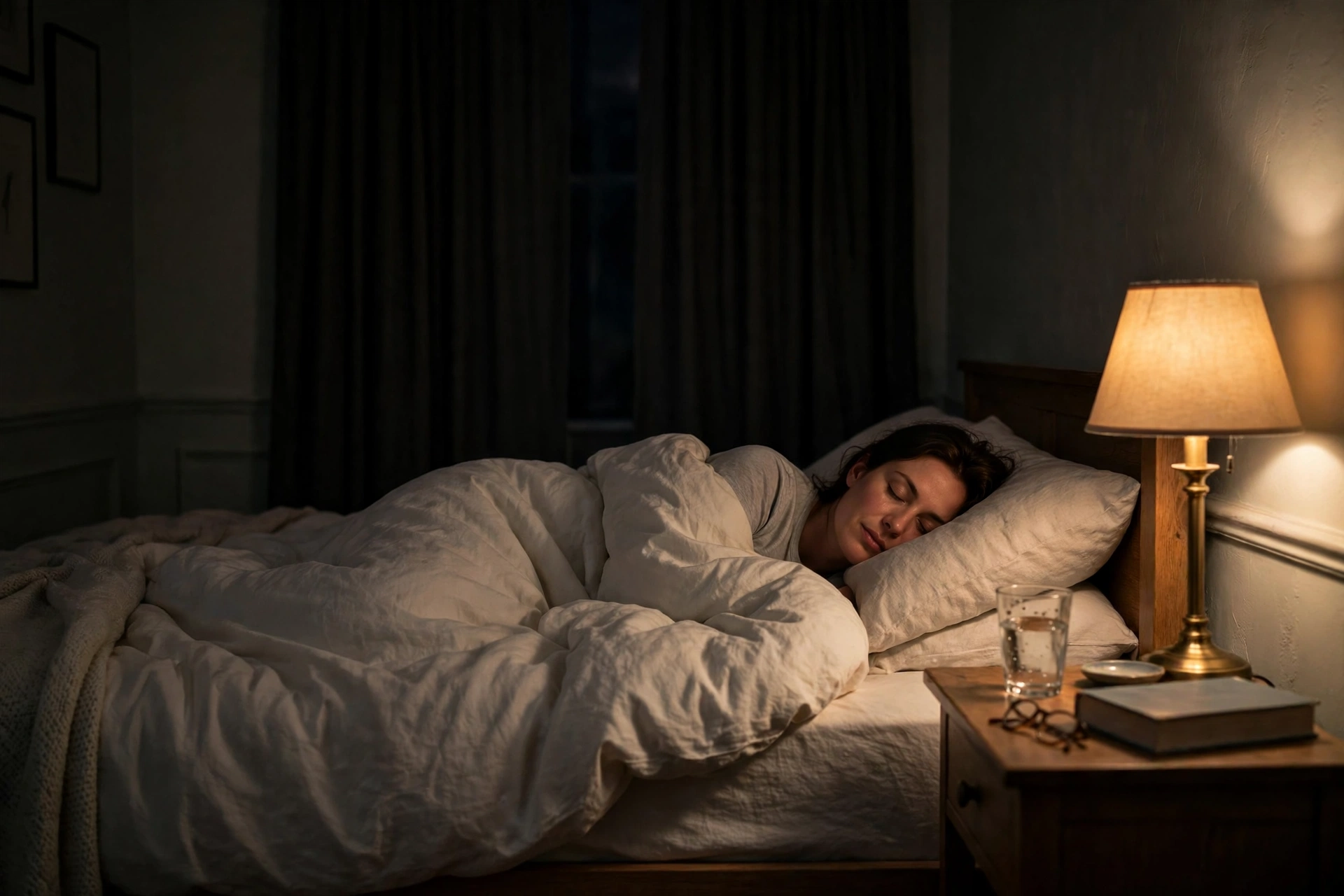
First, poor sleep and stress feed each other in a loop. Tiredness makes worries louder, and worries make sleep harder. A steady routine breaks the loop. Keep the same bedtime and wake time each day, even at weekends. Make the bedroom cool, dark and quiet. Put screens away an hour before bed, and skip caffeine after midday.
When sleep problems keep coming back, read our sleep problems guide for practical steps on falling asleep and staying asleep. Wind down first: dim the lights and stretch gently. A steady sleep routine is part of how to reduce stress naturally — rest rebuilds your energy for the next day.
What Is a Panic Attack?
A panic attack arrives without warning — a sudden wave of intense fear that builds in seconds. It peaks within a few minutes, then fades. Your pulse races, your chest feels tight, and sweat breaks out. Some people shake, some feel sick, and some feel cut off from the room around them. The fear feels huge, yet the attack itself does not damage your body. It is a false alarm — your danger system fires with no real danger.
Next, watch for these signs of panic attack: a pounding heart, fast breathing and tingling fingers. Your stomach churns. A strong fear grips you that something awful will happen. If you have never felt this way before, call 999 or NHS 111 for advice. Do the same if chest pain lasts. Get a first episode checked by a doctor.
How to Help Someone Having a Panic Attack
First, stay close and speak in a slow, steady voice. Let the person know you are there and you will not leave. Open a window for fresh air and offer a glass of water. Breathe with them: count four in, six out, and keep the rhythm slow. Skip the questions — a panicking mind struggles to answer. Never say “calm down”; the words land badly.
Finally, if the fear does not ease within a few minutes, call 999 or NHS 111. Do the same for a first-ever episode. Stay beside them until help arrives.
The Quieter Worries
In fact, some worries run quietly in the background. Anticipatory anxiety means dreading something before it happens — a meeting, a journey, a result. Plan the practical parts in advance: check the route, pack the bag, lay out clothes. Then rehearse only the first minute.
Separation anxiety disorder brings strong fear at the thought of time apart from someone close. It shows up most in children, yet adults live with it too. Short goodbyes that grow longer, a fixed goodbye routine, and gentle reassurance ease it over time. If the fear starts to run daily life, a GP can advise on next steps.
In fact, health anxiety means constant worry about illness, even when a doctor has said all looks well. You might check your body again and again, search symptoms late at night, or seek test after test. The worry itself brings real distress. Cut back on symptom searches, tell your GP about the worry, and ask about talking therapies. Naming the worry is the first step in how to reduce stress naturally.
Medication for Anxiety: Talk to Your GP
In fact, self-care helps many people, but some need extra support. A GP may raise medication for anxiety as one option, next to talking therapies. Before suggesting anything, a GP looks at your symptoms, your history and your daily life.
First, never start, stop or change a medicine on your own. Mention every other medicine, supplement or health condition to your GP. And if a treatment feels wrong for you, speak up — a GP can adjust the plan.
When to See a GP
First, book a GP visit if worry or low mood troubles your sleep, work or relationships. That means most days for weeks. Seek help sooner if panic attacks strike. Do the same if fear makes you avoid places or people, or if coping feels out of reach. Doctors sometimes describe these as signs of severe stress or burnout — the phrase people call mental breakdown symptoms. The label sounds harsh, yet it only means a body and mind pushed past their limit for too long. A GP listens first, then arranges support. Asking for help shows strength, and it forms part of how to reduce stress naturally too.
In fact, an anxiety test never means an online quiz. In a GP appointment, the doctor asks about your feelings, your sleep and your daily life. The doctor may add a short screening questionnaire to the chat. Only a clinician can give a diagnosis.
If thoughts of harming yourself ever feel close, call Samaritans free on 116 123. The line stays open day and night. In an emergency, call 999.
How to Reduce Stress Naturally FAQs
What is the quickest way to feel calmer?
Slow breathing. It shows how to reduce stress naturally in just a few minutes. Breathe in through your nose. Breathe out slowly through your mouth. Repeat ten times.
Does stress make your shoulders ache?
Yes — stress keeps your neck, shoulders and jaw tight for hours. Gentle stretches and slow breathing help them let go.
What does health anxiety mean?
People sometimes ask what are hypochondriacs. The phrase is an old, unkind label. It describes people who worry a lot about their health. Doctors now call it health anxiety. The worry is genuine, and a GP can support you with it.
Can a short walk really help?
Yes. A ten-minute walk lowers stress hormones and lifts your mood. Short walks through the day add up fast.
How long should I wait before seeing a GP?
Do not wait months. If stress troubles your sleep, work or relationships most days for a few weeks, book a GP visit.
Start small. Pick one habit from this guide and try it today — a walk, a slow breath, a regular bedtime. Calm builds in small steps. Help is always there when you need it: a GP, a friend, or Samaritans on 116 123.






Post Comment