Sleep Apnea Symptoms: A UK Guide to Better Sleep and Common Sleep Problems
Sleep apnea symptoms often go unnoticed for years. For example, many people snore loudly, wake up tired and struggle through the day without knowing why. In fact, sleep apnea affects millions of adults in the UK, yet most cases stay undiagnosed. This guide explains the main sleep apnea symptoms, other common sleep problems and practical steps that help you rest better. It also covers when to see a GP.
What Are Sleep Apnea Symptoms?
In short, sleep apnea is a condition where breathing stops and starts during sleep. The most common sleep apnea symptoms include loud snoring, gasping for air and pauses in breathing. Often, a partner may notice the pauses first. In addition, many people wake up with a dry mouth or a morning headache. Daytime sleepiness is another key sign, so people often feel tired even after a full night in bed. Some also find it hard to concentrate or feel irritable during the day.
There are two main types. Obstructive sleep apnea happens when the throat muscles relax too much and block the airway. Central sleep apnea is less common. It happens when the brain fails to send the right signals to the breathing muscles. Both types share many sleep apnea symptoms, so only a proper assessment can tell them apart. If you notice these signs in yourself or your partner, speak to your GP. Finally, a sleep study can confirm the diagnosis and guide the next steps.
Insomnia and Other Common Sleep Problems
Insomnia sleeping disorders are the most common sleep complaint in the UK. It means you struggle to fall asleep or stay asleep, or you wake up too early. In other words, this happens even when you have the chance to rest. As a result, daytime energy, mood and focus all suffer.
Sleep deprivation symptoms often build up slowly. For instance, you may yawn through the day, crave sugary food, or find simple tasks harder than usual. Over time, poor sleep can also affect memory and patience. However, short spells of bad sleep are normal, especially during stress or illness. The problem becomes a disorder when it lasts for weeks and starts to affect daily life.
If poor sleep lasts more than three weeks, keep a simple sleep diary for a week or two. Next, note your bedtime, wake time and how you felt the next day. Then take it to your GP, who can check for causes such as pain, anxiety or a medication side effect.
What Is REM Sleep, and How Do Sleep Apnea Symptoms Affect It?
What is REM sleep? REM stands for rapid eye movement, and it is the stage of sleep when most dreaming happens. During REM sleep, the brain stays active. Meanwhile, the body stays still. In fact, each night includes several REM cycles, and they grow longer towards the morning.
Why is it important to sleep well? For example, sleep helps the brain store memories, repair the body and clear out waste. As a result, learning and mood both suffer without enough sleep. In fact, researchers link regular deep sleep with better memory and a stronger immune system. So a good night’s rest is not a luxury — it is a basic need. Sleep apnea symptoms can also cut REM sleep short, because each pause in breathing can wake the brain briefly.
In general, most adults need 7 to 9 hours a night. That said, sleep needs vary a little from person to person. Overall, the best test is simple. If you wake up refreshed and stay alert through the day, you probably slept enough.
How to Sleep Better at Night
How to sleep better at night is a question millions of people ask every year. Above all, small changes often make a big difference.
First, keep regular hours. In practice, go to bed and get up at the same time each day, even at weekends. In turn, this trains your body clock and makes falling asleep easier.
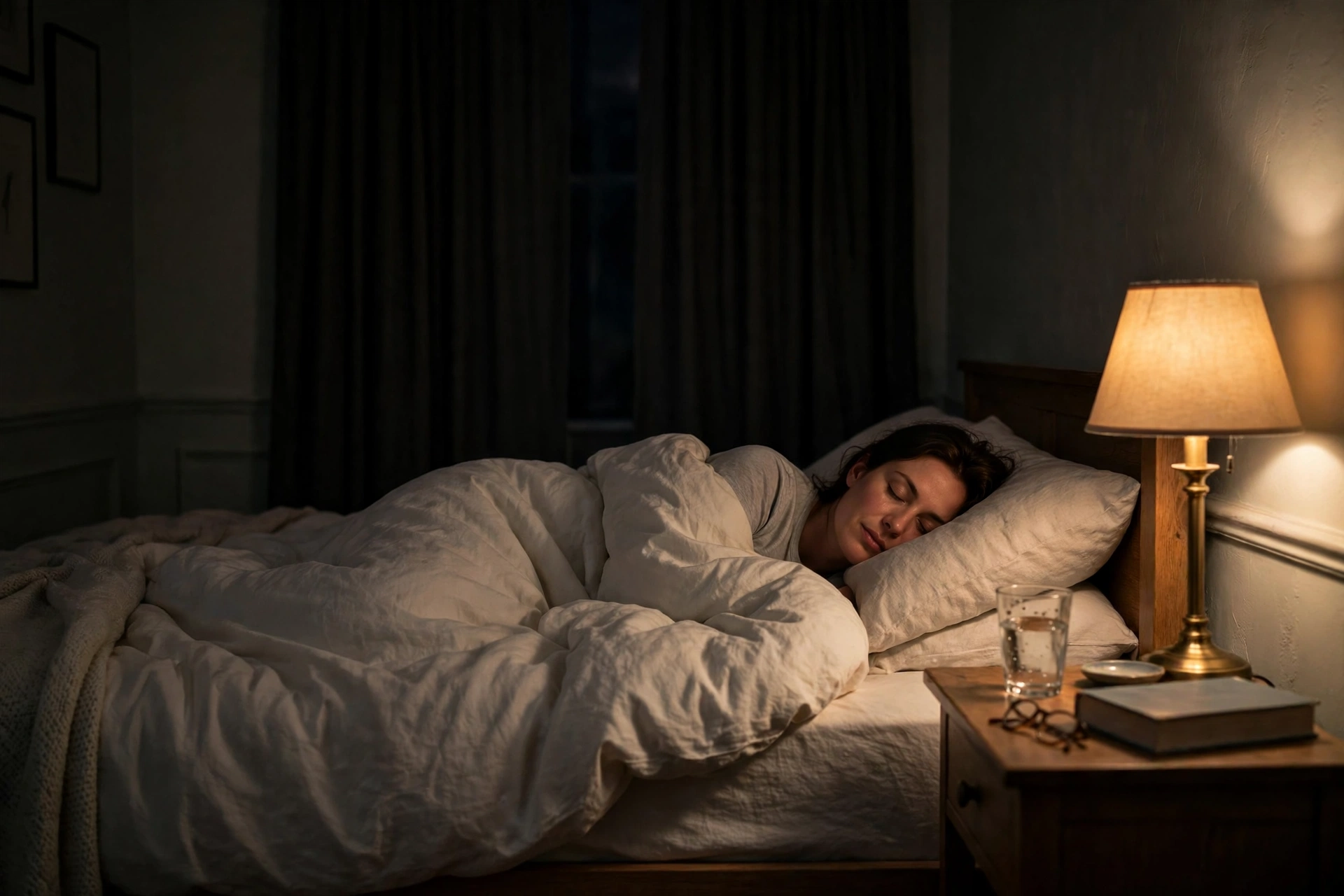
Second, wind down before bed. Dim the lights and put screens away an hour before sleep. Then try a calm activity such as reading or gentle stretching. For instance, some people find an Indian head massage helps them relax before bed. A dark, cool and quiet bedroom also helps. In addition, use blackout curtains and keep the room around 16 to 18 degrees.
How can you fall asleep fast when your mind races? First, try slow breathing. Then breathe in for four counts, hold for four and breathe out for six. Next, repeat this for a few minutes. If you still lie awake after 20 minutes, get up. Do something quiet in dim light, then return to bed when you feel sleepy.
How to Improve Sleep Quality During the Day
How to improve sleep quality also depends on daytime habits. Exercise during the day helps. However, avoid hard workouts late in the evening. Also, cut back on caffeine after midday. Avoid alcohol close to bedtime too. In fact, it may help you drop off, but it breaks up sleep later in the night.
Some people ask about meds to sleep. Sleep aids do exist. However, they can cause side effects and dependence. Above all, talk to your GP or pharmacist first, and never take someone else’s tablets. People who snore heavily or notice sleep apnea symptoms should speak to a GP before trying new sleep aids. Finally, for long-term insomnia, doctors often suggest CBT-I. CBT-I stands for cognitive behavioural therapy for insomnia, and it teaches practical skills that retrain sleep habits. In short, it works well for many people and avoids the need for tablets.
Night Terrors, Sleep Paralysis and Narcolepsy
Night terrors can frighten the whole household. In fact, a person may sit up, scream or thrash about, yet stay asleep and remember nothing in the morning. In general, night terrors happen most often in children. Adults can have them too, often during stress or after too little sleep. Above all, keep the bedroom safe, stay calm and avoid waking the person suddenly.
What is the cause of sleeping paralysis? In short, sleep paralysis happens when the brain wakes up before the body does. As a result, you feel awake but cannot move or speak for a few seconds or minutes. It can feel frightening, especially when it comes with a sense of pressure on the chest. However, it is common and usually harmless. In practice, sleeping on your side and keeping regular hours can reduce the episodes.
In contrast, narcolepsy symptoms look different. For instance, people with narcolepsy feel very sleepy during the day. They may fall asleep suddenly, even in the middle of a task. Some also have sudden muscle weakness when they laugh or feel strong emotion. These symptoms need a GP assessment, because narcolepsy is a long-term condition that needs proper care.
Waking up 3 am is a common complaint too. Many people wake in the early hours and then struggle to drift off again. For example, stress, noise, a full bladder or a warm room can all play a part. So if it happens often, check your evening routine and keep the bedroom cool and dark.
How to Fight Snoring and Spot Sleep Apnea Symptoms
How to fight snoring is a common question, and the answer often starts with simple changes. For instance, losing weight, avoiding alcohol before bed and sleeping on your side can all reduce snoring. A stuffy nose can make things worse, so a saline spray or a clear bedroom can help. For example, loud snoring with pauses in breathing is one of the sleep apnea symptoms to watch for. Finally, ask your GP if a partner notices gaps in your breathing.
How to sleep on your back takes practice if you usually sleep on your side. First, use a low pillow that supports the neck without pushing the head forward. Then place a small pillow under your knees to ease the lower back. In fact, sleeping on your back can help some people with snoring. For others it can make sleep apnea worse, so try it for a few nights and see how you feel.
Is 6 hours sleep enough? In general, most people need 7 to 9 hours. As a result, six hours often leaves a sleep debt that builds up over the week. Some people manage well on less, but they are the exception. So if you regularly sleep 6 hours and feel tired, aim to add 30 minutes at a time.
When Sleep Apnea Symptoms Need a GP Visit
In general, most sleep problems improve with better habits, but some need medical help. See your GP if sleep apnea symptoms do not improve, or if you stop breathing during sleep. Also seek help for narcolepsy symptoms, frequent night terrors, or insomnia that lasts more than a few weeks. In turn, your GP can check for other causes and refer you for a sleep study if needed. In short, this article gives general information only and cannot diagnose you. Finally, if symptoms feel severe or sudden, seek care promptly.
Frequently Asked Questions
What is REM sleep?
REM sleep is the dreaming stage of sleep. Meanwhile, the eyes move quickly, the brain stays active and the body stays still. Most adults cycle through REM several times a night.
Is 6 hours sleep enough?
In general, 6 hours is not enough for most adults. Aim for 7 to 9 hours a night. So if you feel tired on 6 hours, add sleep in small steps.
Why do I keep waking up 3 am?
For example, waking up 3 am often comes from stress, noise, heat or a full bladder. In practice, keep the bedroom cool and dark, and avoid screens in the night. Finally, if it happens most nights for weeks, speak to your GP.
How to sleep on your back?
First, use a low pillow under your head and a small pillow under your knees. However, it takes a few nights to adjust, and it does not suit everyone. Overall, side sleeping is fine too.
The Bottom Line on Sleep Apnea Symptoms
If sleep apnea symptoms sound familiar, do not ignore them. In turn, a GP visit can find the cause and set you on the road to better sleep. Above all, small changes help most people, and the right care helps the rest.









Post Comment