Hypervenom Football Boots Guide
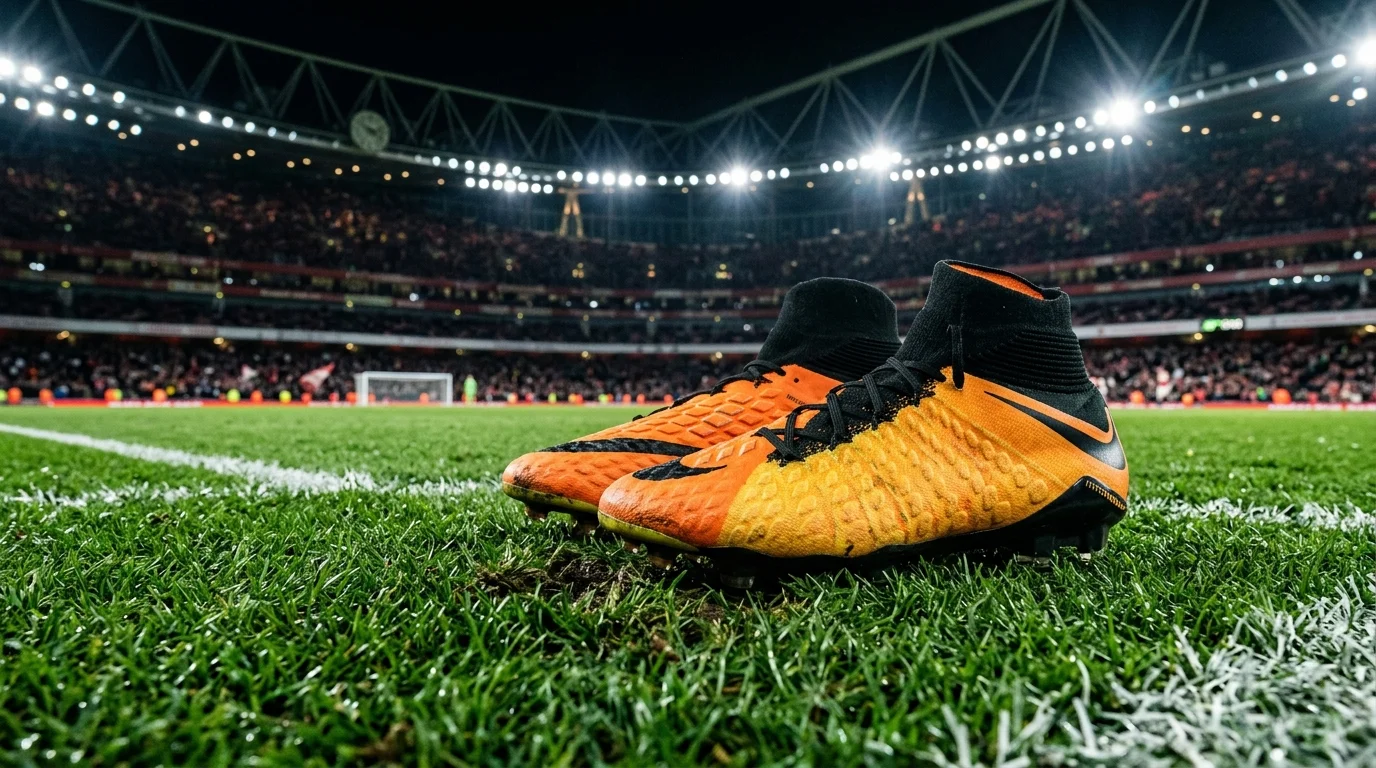
Few football boots have created the same excitement and emotional connection as Nike Hypervenom. From the moment the first bright citrus pair appeared on the pitch, players instantly recognized that football boot culture was changing. Designed for aggressive attackers and unpredictable strikers, this boot series quickly became a favorite among professionals and amateur players alike.
What made Hypervenom different was its fearless identity. Nike focused on agility, creativity, and quick movement instead of pure speed alone. Players who loved dribbling in tight spaces, finishing under pressure, and creating chances naturally connected with the design philosophy behind these boots.
Even years after discontinuation, collectors still search for rare editions, football fans debate the best models, and many players continue wearing older pairs because they prefer the touch and comfort over modern alternatives. This lasting popularity proves that the Hypervenom legacy remains deeply connected to football culture.
In this guide, you will discover the history behind Nike Hypervenom, the best generations, famous colorways, performance technologies, sizing information, collector value, and how these iconic football boots still compare with today’s leading models.
What Is Nike Hypervenom?
Nike introduced the Hypervenom football boots in 2013 after recognizing that modern attacking players needed something more agile and flexible. The company moved away from the power focused Total 90 series and created a new boot designed for unpredictable movement and quick reactions inside the penalty area.
The launch campaign focused heavily on the concept of a “new breed of attack.” Instead of targeting traditional target strikers, Nike aimed at creative forwards who relied on instinct, acceleration, and sharp finishing. Neymar Jr became the face of the project, helping the boots gain instant global attention.
Unlike many football boots of that era, Hypervenom prioritized barefoot touch and responsiveness. NikeSkin technology created a softer upper that allowed better ball feel, while the lightweight structure helped players move naturally during rapid direction changes.
The football world immediately noticed the difference. The bright citrus launch colorway became iconic almost overnight, and many players viewed the boots as a symbol of creativity and attacking confidence.
The History and Evolution of Hypervenom
Hypervenom Phantom I
The first generation remains the most beloved among football boot enthusiasts. Released in 2013, the Phantom I introduced NikeSkin technology and a highly flexible soleplate that enhanced movement and agility. Players appreciated the lightweight upper, natural touch, and aggressive traction pattern. The black citrus edition quickly became one of the most iconic football boot colorways ever released.

Hypervenom Phantom II
Nike expanded the concept with Flyknit integration and Dynamic Fit collar technology. This version delivered a more secure fit and improved lockdown for explosive movement. The second generation divided opinions because some players preferred the raw simplicity of the original model, while others loved the upgraded structure and modern feel.
Hypervenom Phantom III
The third generation focused heavily on comfort and striking precision. The Flyknit upper became softer, while the soleplate improved responsiveness on firm ground surfaces. Many players considered Phantom III one of the best football boots for attackers because it balanced comfort, control, and agility exceptionally well.
HypervenomX and Indoor Versions
Nike also developed turf and indoor variations for smaller-sided football. These versions became popular among players who wanted the same barefoot touch and attacking feel on artificial surfaces.
Why Nike Discontinued the Series
Nike eventually replaced the Hypervenom line with Phantom Vision and later Phantom GX models. While the newer boots introduced fresh technology, many football fans still believe the original identity of Hypervenom has never truly been replaced.
Why Hypervenom Became So Popular
One major reason for the success of Nike Hypervenom was timing. Football was entering an era where mobile forwards, creative dribblers, and aggressive attackers dominated the game. Players no longer wanted bulky boots focused only on power.
The lightweight construction helped attackers move freely inside crowded defensive areas. The barefoot touch improved confidence during dribbling and finishing, while the flexible soleplate encouraged quick directional changes.
Another key factor was the connection with Neymar Jr. During his rise at Barcelona, Neymar wore some of the most memorable Hypervenom colorways ever released. Young football fans immediately associated the boots with creativity, flair, and confidence.
Social media also played an important role. Football YouTube channels, boot reviewers, and collectors constantly discussed new releases, making the boots even more desirable among younger audiences.
Hypervenom Technologies Explained
NikeSkin Technology
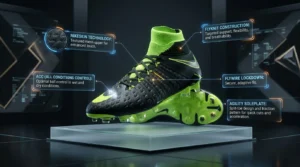
NikeSkin combined a thin polyurethane layer with soft mesh materials to create a more natural touch on the ball. This technology helped reduce the barrier between the foot and the ball.
Flyknit Upper
Later generations used Flyknit material for improved comfort and flexibility. The soft upper adapted well to foot shape while maintaining excellent lockdown during sharp movements.
ACC Technology
All Conditions Control technology improved grip in wet and dry conditions. This helped players maintain consistent control during difficult weather.
Dynamic Fit Collar
The Dynamic Fit collar connected the foot and ankle more naturally. Many players appreciated the sock-like sensation during quick directional changes.
Agility Focused Soleplate
The traction system was designed specifically for explosive attacking movement. The stud placement helped players accelerate rapidly while maintaining balance during sharp turns.
Complete Hypervenom Model Breakdown
Nike released multiple variations to suit different budgets and playing surfaces.
Elite Models
Elite editions featured premium materials, advanced traction systems, and professional level construction. These boots delivered the highest performance standards.
Pro and Academy Models
These versions offered similar visual designs at more affordable prices. Many amateur players preferred them because they balanced performance and value.
Surface Types
Players could choose from several configurations:
- Firm Ground boots for natural grass
- Artificial Ground boots for synthetic pitches
- Soft Ground options for wet conditions
- Turf versions for smaller sided games
- Indoor models for futsal and street football
This variety helped the series appeal to footballers across different playing environments.
Hypervenom Phantom I vs II vs III
The first generation remains famous for its raw and flexible feel. Many collectors still consider it the greatest football boot Nike ever created.
Phantom II improved structure and lockdown but introduced a slightly more technical feel. Some players loved the Flyknit upgrade, while others missed the simplicity of the original.
Phantom III focused more on comfort and striking precision. The softer upper and improved fit made it ideal for players who valued comfort during long matches.
For wide feet, Phantom III generally provided the best fit. For pure barefoot touch, many players still prefer Phantom I.
The Most Iconic Hypervenom Colorways
Certain releases became legendary within football culture.
Bright Citrus
The launch edition remains the most recognizable pair ever produced. Its aggressive orange design completely changed football boot aesthetics.
Black Citrus
This version became extremely popular among collectors because of its clean appearance and strong connection to the original release era.
Neymar Editions
Special Neymar colorways gained huge attention thanks to his creative playing style and global popularity.
Rare Collector Releases
Limited editions and player exclusives now sell for high resale prices among football boot collectors.
Famous Players Who Wore Hypervenom
Several elite footballers helped shape the identity of the series.
Neymar Jr
Neymar became the face of the brand during his explosive rise at Barcelona and Brazil national team performances.
Robert Lewandowski
Lewandowski used the boots during some of the most productive scoring years of his career.
Harry Kane
Kane appreciated the comfort and finishing support provided by the boots.
Kylian Mbappé
Early in his career, Mbappé also wore Hypervenom before transitioning to Mercurial models. These players strengthened the connection between the boots and elite attacking football.
Are Hypervenoms Still Worth Buying in 2026?
Many players still actively search for older pairs because they believe modern football boots do not fully replicate the same feel.
The combination of barefoot touch, flexibility, and attacking-focused responsiveness continues to attract football enthusiasts. Collectors also value rare colorways because of increasing resale demand.
However, buyers should carefully inspect older pairs for sole separation and material aging. Since these boots are discontinued, authentic versions in excellent condition are becoming harder to find. For players who value nostalgia, creativity, and classic football boot design, Hypervenom still remains a fantastic option today.
Hypervenom vs Mercurial
Although both series were designed for attacking players, they targeted different playing styles. Mercurial focused primarily on straight-line speed and explosive acceleration. The fit was usually tighter and more speed-oriented. Hypervenom focused more on agility, ball control, and natural movement. Many creative forwards preferred the softer touch and flexible feel. Players who rely heavily on dribbling and unpredictable movement often favored Hypervenom, while speed-focused wingers usually preferred Mercurial.

The Closest Modern Boots to Hypervenom
Several modern boots attempt to recreate a similar experience.
Phantom GX
Phantom GX offers improved ball control and comfort, making it the closest spiritual successor from Nike.
Puma Future
Puma Future provides flexibility and creativity-focused movement for agile attackers.
New Balance Tekela
Tekela delivers strong touch and comfort for technical players.
Mizuno Alpha
This model combines lightweight speed with premium comfort and responsiveness.
While modern options are impressive, many football fans still believe nothing fully captures the original identity of Hypervenom.
Hypervenom Sizing and Fit Guide
Most versions fit true to size, although some players found Phantom II slightly narrow during the break-in period. Players with wide feet usually prefer Phantom III because of its softer Flyknit construction.
When buying older pairs online, checking authenticity and sizing details is extremely important because counterfeit football boots remain common in resale markets. Trying the boots with football socks before the match is also recommended to ensure proper lockdown and comfort.
How to Spot Fake Hypervenom Boots
The resale market contains many counterfeit pairs, especially rare colorways.
Here are some important authenticity checks:
- Inspect material quality carefully
- Compare stud patterns with official images
- Check stitching consistency
- Verify product labels and serial numbers
- Analyze packaging details
Authentic pairs usually feature cleaner construction and higher-quality materials than fake versions.
Hypervenom Collector and Resale Market
Football boot collecting has grown significantly in recent years. Rare Hypervenom editions now attract strong demand among enthusiasts and former players. Limited releases, Neymar editions, and original bright citrus pairs often command premium prices in resale communities.

Collectors value these boots because they represent a major turning point in football boot history. Their influence on football culture continues long after discontinuation.
How to Maintain and Restore Old Hypervenoms
Proper maintenance helps preserve older pairs.
- Clean boots after every match
- Avoid excessive moisture exposure
- Store in cool environments
- Use shoe trees to maintain shape
- Inspect the soleplate condition regularly
Collectors sometimes restore older pairs to preserve sentimental and resale value.
FAQs
Why did Nike discontinue Hypervenom?
Nike replaced the series with Phantom models to modernize its football boot lineup.
Are Hypervenoms good for wide feet?
Phantom III generally offers the best comfort for wider feet.
Which generation is considered the best?
Many football fans consider Phantom I the most iconic and influential version.
Are authentic pairs still available?
Yes, but high quality pairs are becoming increasingly rare.
What replaced Hypervenom?
Nike Phantom GX currently serves as the closest successor.
Conclusion
Few football boots have left a legacy as powerful as Nike Hypervenom. The combination of aggressive design, barefoot touch, and attacker-focused innovation helped redefine what modern football boots could feel like.
Even years after discontinuation, players, collectors, and football fans continue discussing the best generations, legendary colorways, and unforgettable moments connected to the series. That lasting influence proves these boots were never just equipment. They became part of football culture itself.
For anyone passionate about football boot history, creativity on the pitch, and iconic sports design, Hypervenom remains one of the greatest football boot series ever created.







Post Comment