Manhole Cover: A UK Guide to Sizes, Load Classes, Materials and Costs
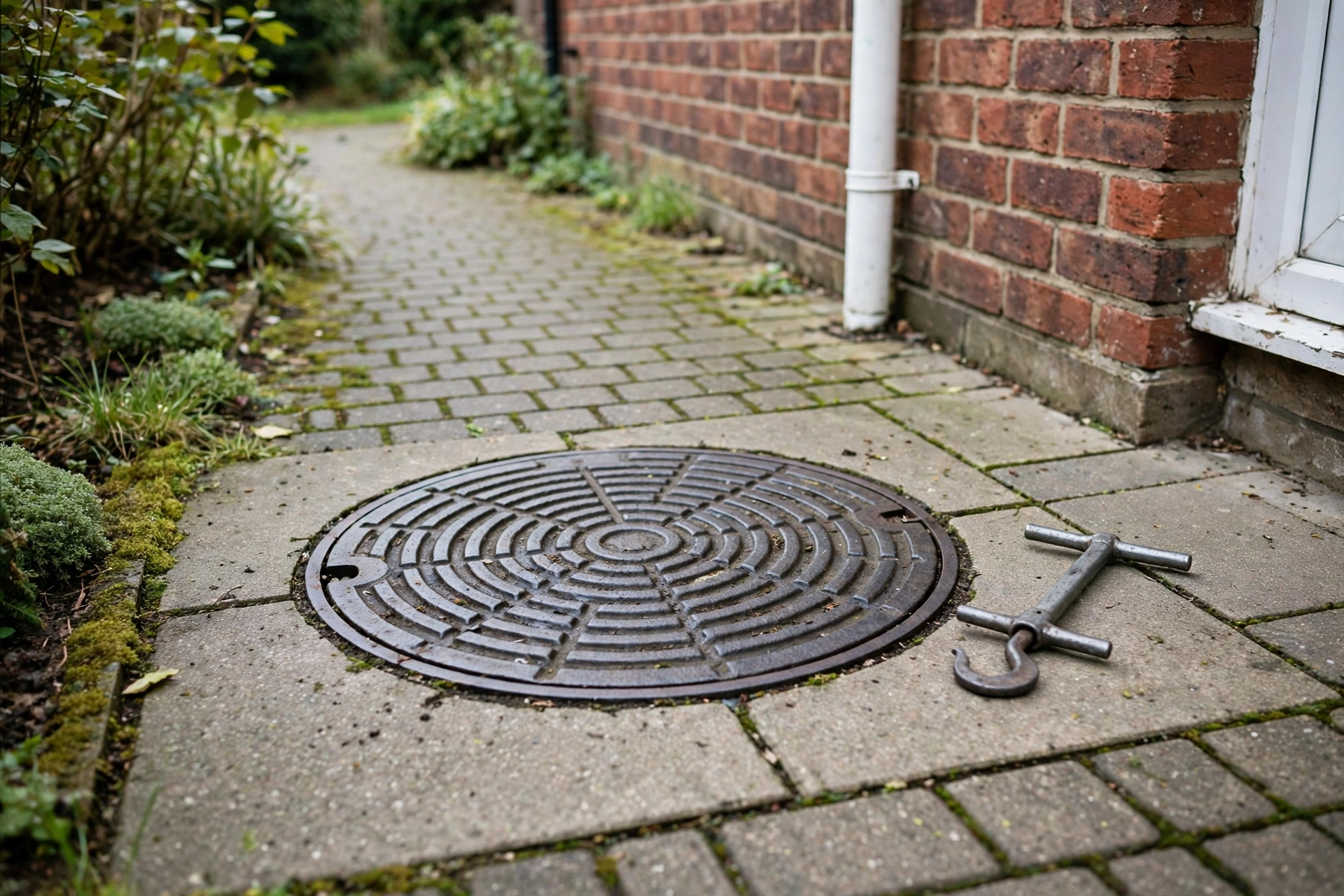
A manhole cover is a heavy lid in a frame over an underground chamber. It gives safe access to drains and sewers below. Most UK homes have one in the garden or drive. The right one depends on its size, its load class and its material.
This guide explains the common UK sizes, the BS EN 124 load classes and the materials on offer. Next, it covers measuring, lifting, seals, rattling, costs and responsibility.
What Is a Manhole Cover?
It is a removable lid that protects an opening into a chamber below ground. Workers lift it to inspect, clean or repair drains, sewers, cables and water pipes. For example, a drainage engineer lifts it to run an inspection camera through the pipes.
The lid also keeps people, pets and vehicles safe from an open hole. Meanwhile, most lids sit flush with the ground, so feet and wheels pass over them without a trip.
Manhole Cover Sizes in the UK
There is no single standard size, but a few sizes turn up again and again. Square and rectangular lids run from 300 x 300 mm to 1200 x 1200 mm clear opening. In addition, round lids usually measure 450 mm or 600 mm across.
The 600 x 450 mm size is the one you see most at older houses. It fits the typical brick inspection chamber. Meanwhile, newer homes often have a round 450 mm lid over a plastic chamber. Overall, the size that matters is the clear opening, which is the hole itself. Frames differ from one maker to the next, so a new lid rarely drops neatly into an old frame. Therefore, measure the hole first and buy by that figure.
Manhole Cover Load Classes: A15 to F900
BS EN 124 sets six load classes. The number in each name is the test load in kilonewtons. First, A15 takes 15 kN, or about 1.5 tonnes, and it suits lawns, paths and patios. B125 takes 125 kN, or about 12.5 tonnes, and it is the usual choice for a domestic driveway. Next, C250 takes 250 kN and suits car parks and yards where vans move slowly.
D400 takes 400 kN and belongs in roads. E600 and F900 serve docks and airports. The class covers the lid and the frame together. As a result, a strong lid in a weak frame is only as strong as the frame. Moreover, choose for the heaviest thing that will ever cross it. If in doubt, go for the higher rating. In fact, A15 lids must never sit in a driveway, since a car wheel will crack one.
What Are Manhole Covers Made Of?
Four main materials turn up in the UK. Ductile iron is the strongest choice, and it runs from B125 to F900. It bends a little under load instead of cracking, and it suits driveways, yards and roads. However, iron lids are heavy, and thieves sometimes steal them for scrap.
Cast iron is the older form. In fact, it is strong but brittle, so old lids can crack under a point load. Galvanised steel is lighter and easier to lift. It takes up to about 17 tonnes, so it suits drives and patios. It does not belong in fast traffic. For instance, steel lids often carry a FACTA rating instead of a BS EN 124 class. In addition, polypropylene and other plastics resist rust and chemicals. They suit gardens, paths and plastic inspection chambers. Sewer lid covers in gardens are often plastic, since nothing heavier than a foot crosses them.
Manhole Cover and Frame: How to Measure Yours
Measure the hole, not the lid. First, lift the lid and clear the grit from the rim. Then measure from inside wall to inside wall of the chamber, in millimetres. Take both the width and the length for a square or rectangular opening. For a round opening, measure the diameter.
Next, measure the overall frame, since the new frame must sit in the space the old one leaves. Then measure the frame depth, which is the depth of the brickwork or paving the frame sits in. Finally, buy by the clear opening figure, and replace the lid and the frame together.
How to Lift a Manhole Cover Safely
Never guess the weight before you lift. Cast iron lids often weigh over 50 kg, and large ones can pass 100 kg. Some lids weigh from 10 kg to over 300 kg, so treat every iron lid as heavy. First, clear the dirt, moss and rust from the rim and the key slots.
Then check for screws or bolts that still hold the lid down. Next, seat the lifting keys fully in the slots and turn them about a quarter turn until they grip. Lift with your legs and keep your back straight. In addition, two people should lift a heavy cast lid together. If you cannot lift it safely, do not try. Finally, set the lid flat beside the hole, where nobody can step across the opening. Never leave a chamber open and unwatched.
Airtight Inspection Covers: Seals Explained
Airtight inspection covers keep smells in and water out. Three seal types exist. An unsealed lid, often called plain seated, simply slots into place. Meanwhile, it suits cable and utility chambers, where smells are not an issue. For example, a single-seal lid has one tongue-and-groove joint, usually packed with grease. It suits foul drains outdoors.
In addition, a double-seal lid has two joints, and it suits foul drains inside buildings. Building rules in England ask for airtight covers inside a building. Approved Document H says chambers inside a building should have covers fixed down by screws or bolts. This matters when an extension or conservatory goes over an old chamber. In that case, fit a double-sealed lid that screws down. Small light lids in gardens should have screws too, so children cannot lift them.
How to Stop a Manhole Cover Rattling
A rattling lid usually points to a worn seat or a loose frame. First, lift the lid and clean the seat and the frame. Grit and rust stop the lid from sitting flat.
Then check the frame for cracks and check whether it has sunk. As a result, a lid that rocks after cleaning needs more than a clean. Meanwhile, a rubber non-rattle ring can quiet a worn lid for a while. However, a cracked or sunken frame needs rebedding or replacement, and a new lid alone will not cure it. For a lasting fix, choose a non-rock design, such as a double-triangular lid that rests on three points. If the lid sits in a public road, report it to the council or the water company.
Who Is Responsible for the Cover on Your Property?
It depends on what lies below. If the chamber serves only your home, the cover is yours to maintain and replace. If it sits on a shared sewer, the local water company owns it, even when it sits in your garden.
For instance, covers in pavements and roads belong to the water company or the council. Therefore, check first and do not pay for a repair that is not yours. If you are unsure, ask your water company first. It can tell you whether the sewer is private or shared. Never replace a lid in a public road yourself. Report a broken or missing lid there at once, since an open chamber is a danger to everyone.
How Much Does a Replacement Cost?
Prices vary with size, class and material. For example, a B125 cast iron lid and frame in 600 x 450 mm costs roughly £65 to £80. The steel 5-tonne version in the same size costs roughly £40 to £55. In addition, for a recessed 10-tonne lid and frame, expect roughly £130 to £170.
A D400 road-class lid and frame in 600 x 450 mm costs roughly £140. Labour, bedding and disposal cost extra on top of the parts. A fitted replacement of lid and frame often starts from £250 plus VAT. Get a fixed quote before work starts. If the chamber walls have broken up, the repair will cost more.
Looking After Your Drain Covers
Drain covers need little care, but a quick check each year saves trouble. First, lift the lid and look for cracks, rust and worn edges. Then check that the frame sits level and has not sunk. Next, clear leaves and grit from the seat, since dirt stops the lid from sitting flat.
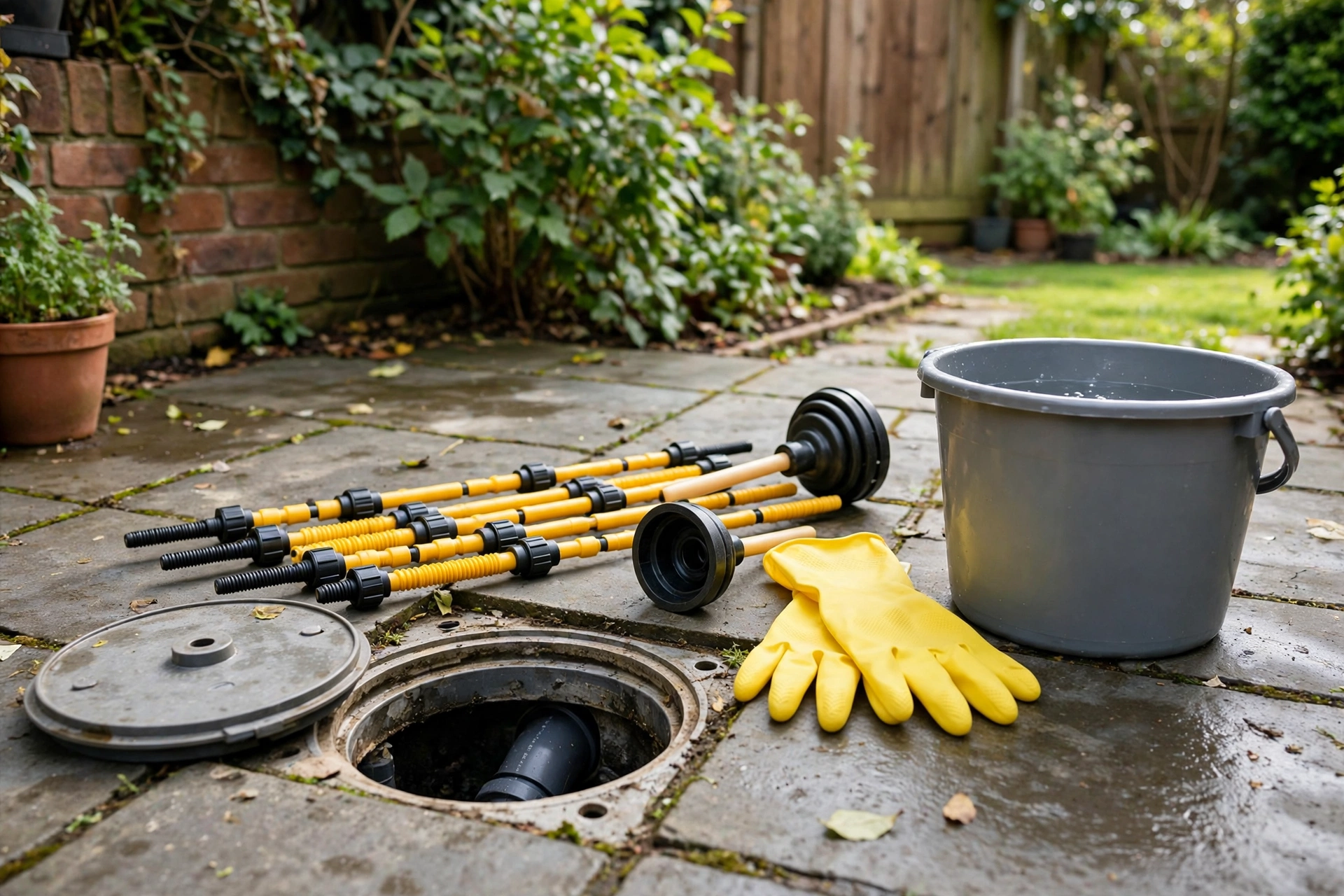
If water keeps pooling near the lid, the ground may have settled. In fact, an inspection camera can look through the pipes below without digging. An engineer runs the camera through the open chamber to find cracks, roots or a collapse. For a blocked drain, read our guide to unblocking drains and toilets. Finally, keep the lid clear of soil and turf. A buried lid is hard to find in an emergency.
Frequently Asked Questions
What is a manhole cover made of?
Most lids are ductile iron, cast iron, galvanised steel, polypropylene or concrete. Ductile iron suits driveways and roads.
How heavy is a manhole cover?
Cast iron lids often weigh over 50 kg, and large ones can pass 100 kg. In addition, steel and plastic lids weigh far less.
What are drain covers made of?
Most drain covers are cast iron, ductile iron, galvanised steel or plastic. Iron suits drives and roads, while plastic suits gardens and paths.
How do I seal a manhole cover?
Choose a single-seal lid for foul drains outdoors and a double-seal lid indoors. Pack the joint with grease and screw the lid down.
How do I measure one?
Lift the lid and measure the hole, not the lid. Then measure from inside wall to inside wall, in millimetres.











Post Comment