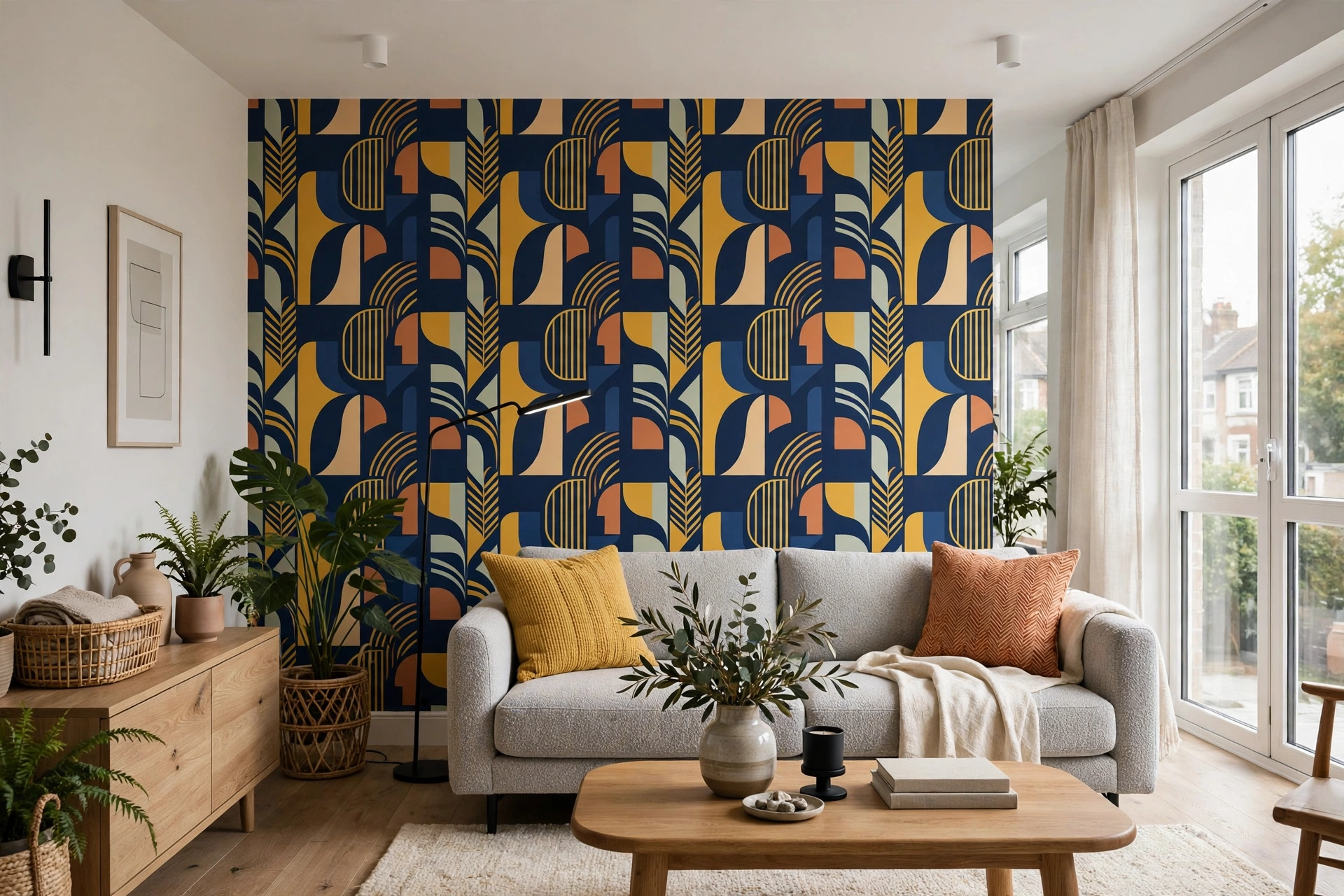
Living Room Wallpaper: A UK Guide to Ideas, Types and Every Room
A living room wallpaper can change the whole feel of a room without new furniture. It adds colour, pattern and texture to plain walls, and it sets the tone for everything else in the space. This guide covers the main ideas and types. It moves from calm neutrals to bold prints, and it shows what works in each room of the house. First, you will learn what makes a good choice for a living room. Next, you will see ideas for hallways, bedrooms, kitchens and even ceilings. In short, use this guide to pick a wall covering you will love for years.
What Makes Good Living Room Wallpaper?
A good wall covering starts with the room itself. First, look at the light. A sunny room suits deeper colours. A dark room needs pale tones and a soft sheen. Next, think about wear: busy family rooms need a washable finish that wipes clean. Also, check the pattern scale: large prints suit big walls, while small prints suit small rooms. In fact, the wrong scale can make a room feel crowded. For example, a huge floral print can overwhelm a small wall. A tiny print can vanish on a large one. Finally, order a sample first and look at it in daylight and at night before you buy a full roll.
Neutral and Plain Designs
Neutral wallpaper suits almost any room. It works with grey sofas, wooden floors and bright cushions, and it never fights with your furniture. For example, a plain wallpaper in soft white or warm stone gives you a calm base. You can change the cushions and curtains with the seasons. Also, cream on cream wallpaper adds depth without colour. The tone-on-tone pattern catches the light and makes a flat wall look rich. In fact, beige wallpaper does the same job in a warmer tone. It hides small marks better than bright white. Next, think about natural wallpaper made from grasscloth or linen-look fibres. It brings texture and a handmade feel, and it suits calm, quiet rooms. Finally, keep the finish in mind. A matt finish hides bumps. A slight sheen bounces light around a dark room.
Wood-Effect and Panelled Looks
Wood looks bring warmth without the cost of real timber. For example, wallpaper with wood effect copies planks, grain and knots. It looks so real that guests often touch the wall to check. Also, wallpaper for wood panelling suits rooms where real panels would cost too much or take too long to fit. In fact, panelled wallpaper gives you the same framed look in a single roll. It works well behind a sofa or a bed. Next, look at chip wood wallpaper for a rough, rustic feel in a country kitchen or a garden room. For example, a pale wood panel effect wallpaper brightens a dark hallway. A dark one adds drama to a dining room. Finally, black panel wallpaper makes a bold statement on one wall. Keep the other walls pale so the room still feels open.
Living Room Wallpaper for Feature Walls
A feature wall gives you the drama of a bold print without covering every wall. First, pick the wall people see first when they walk in. It is often the wall behind the sofa or the TV. Next, choose a strong pattern or a deep colour for that wall, and keep the other three walls plain. In fact, this trick saves money too, since you buy fewer rolls of the bold print. Also, a feature wall works in a small room: it draws the eye and makes the space feel deeper. Finally, step back and check the balance. If the print fights with your curtains or rug, swap one of them for a plain version.
Hallway and Half-Wall Panelling
Hallways take a lot of wear, so pick a tough finish. For example, hallway panelling ideas often pair a painted lower half with a patterned upper half. The join hides scuffs from shoes and bags. Also, wallpaper for hallway walls should be washable: muddy hands and wet coats touch these walls every day. Next, think about half wall paneling ideas for a classic look. A dado rail with plain paint below and a soft print above suits narrow halls and makes them feel taller. In short, keep hallway patterns small and the colours light, since most halls have little daylight.
Bedroom Walls and the Lounge
Bedrooms suit soft, calm designs. For example, bedroom wall wallpaper in a pale floral or a quiet stripe helps you wind down at night. Also, living hall wallpaper works in the room where you relax with guests. Pick a warm tone that suits your sofa and lamps. Next, lounge wallpaper can be bolder, since this room takes the most use and the most eyes. For example, wallpaper ideas for the lounge often start with one strong wall behind the sofa, then plain paint elsewhere. Finally, keep the ceiling and the woodwork pale so the pattern has room to breathe.
Kitchen and Toilet Ideas
Kitchens and toilets need a finish that copes with steam and splashes. For example, wallpaper for kitchen walls should be vinyl-coated or fully washable. Then you can wipe off cooking marks with a damp cloth. Also, keep the print away from the hob and the sink, where heat and water hit hardest. Next, toilet wallpaper ideas can be playful. A small room takes a bold print well, and guests only see it for a minute. In short, pick a small-scale pattern for a small room. Make sure the paste and the finish suit a damp space.
Living Room Wallpaper on the Ceiling
A ceiling can carry a pattern too. For example, wallpaper in the ceiling draws the eye up and makes a plain room feel designed. Also, a pale print works best up there. A soft stripe or a small star pattern adds interest without making the room feel lower. Next, check the ceiling first. Fill any cracks and sand the surface smooth, since a pattern shows every bump. Finally, ask a second person to help you hang it. Holding a long strip above your head is hard work alone.
Black-and-White, Glitter and Quirky Designs
Bold designs suit confident rooms. For example, wallpaper in black and white makes a sharp, graphic statement. It pairs well with bright cushions or a red sofa. Also, wallpaper with sparkles adds a soft shimmer that catches the light in the evening. Next, glitter wallpaper suits a child’s bedroom or a party wall. Use it on one wall only: a whole room can feel too much. Finally, quirky wallpaper brings fun: think bold animals, big fruit prints or vintage maps. In short, let one wild wall do the talking and keep the rest calm.
Choosing Living Room Wallpaper for Light and Room Size
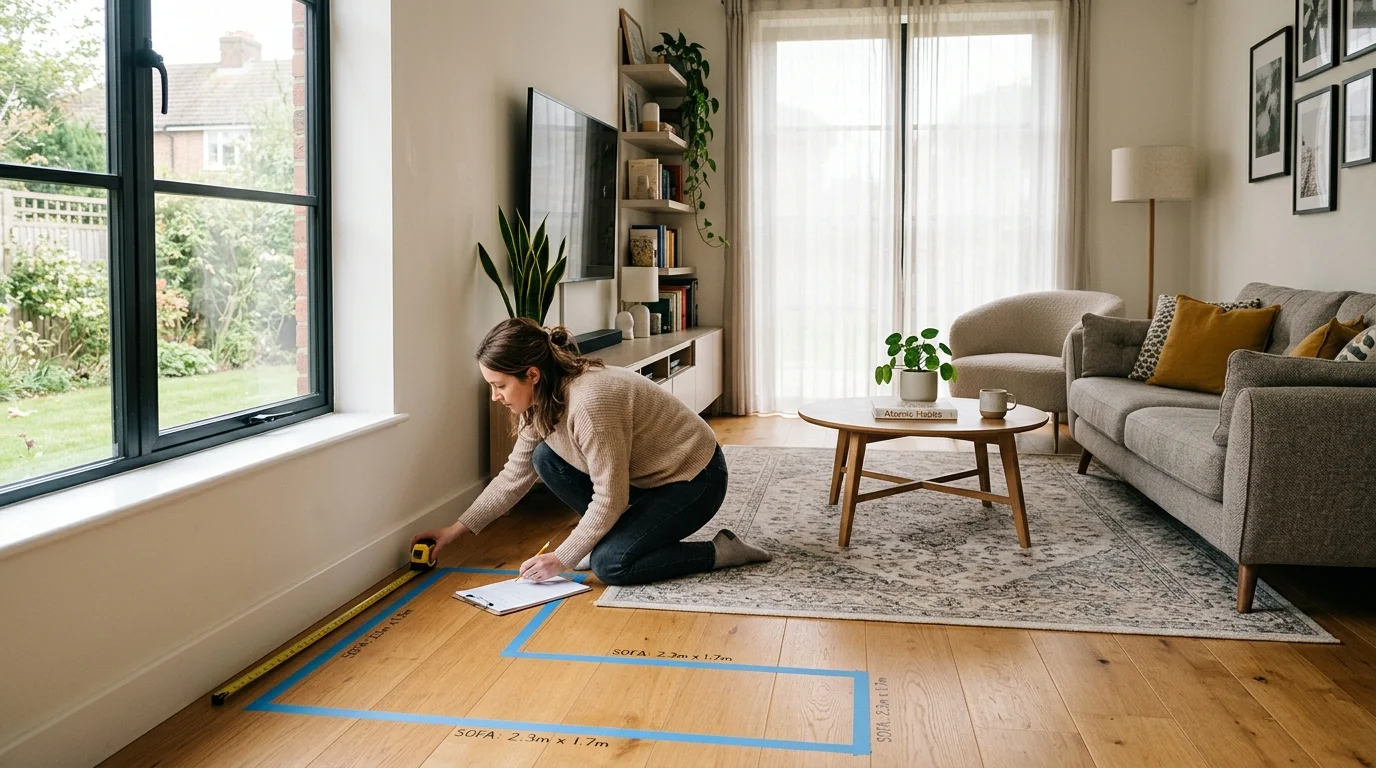
Light and size decide what works. First, hold a sample against the wall in the morning and again at night: colours change a lot under lamps. Next, measure your room first so you buy the right number of rolls. Also, count the pattern repeat: a large repeat wastes more paper, so buy an extra roll. In fact, most guides suggest one spare roll for mistakes and future repairs. Finally, check the batch numbers on every roll. Two rolls from different batches can look like different colours on the wall.
Feature Wall or All Four Walls?
The big choice is how much pattern to use. First, think about the room. A living room wallpaper feature wall suits most homes. It gives you the pattern you love without the cost of four walls. Also, four walls of the same print suit a small, cosy room, where the pattern wraps you up. Next, think about the future. A feature wall is quick to change. Four walls take a full weekend to strip and redo. Finally, trust your eye. If a sample feels too much on four walls, it will feel right on one.
FAQs
Can I use living room wallpaper in a kitchen or bathroom?
Yes, if you pick the right finish. A washable living room wallpaper works in a kitchen, and a vinyl-coated finish copes with steam in a bathroom. First, check the label for washability. Next, keep the print away from direct water. In short, the finish matters more than the pattern.
What is the best design for a small room?
A small-scale print in a pale colour works best. First, avoid large, dark patterns. Next, pick a vertical stripe to make the walls feel taller. Also, keep the ceiling white.
Does a dark pattern make a room look smaller?
It can, but it also adds warmth. First, use a dark print on one wall only and keep the rest pale. Next, add a mirror to bounce light around. In fact, a dark feature wall can make a small room feel deeper.
Can I put a wall covering on the ceiling?
Yes. A pale print on the ceiling adds interest without lowering the room. First, prep the surface well. Next, work with a helper, and use a paste that suits ceilings.
How do I pick between a plain finish and a bold print?
Start with the room. First, look at your sofa, curtains and rug. If they are plain, a bold print adds life. Next, if they are already busy, a plain finish calms the room down. Finally, order samples of both and live with them for a week.
A little planning goes a long way. First, pick the right wall covering for the room and the light. Next, order samples and check them day and night. Then measure carefully and buy one spare roll. The slow steps are the ones that make the finish last.









Post Comment