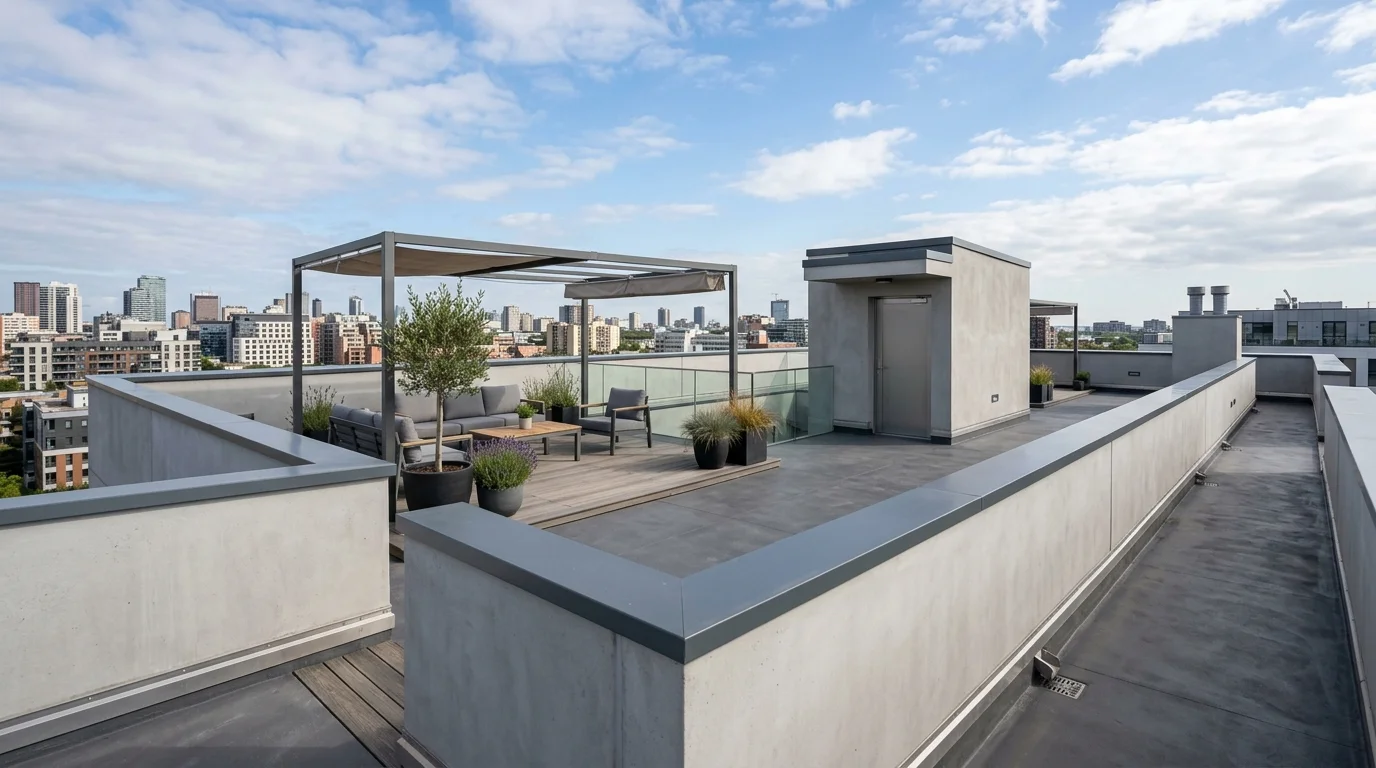
Parapet Wall Guide
A parapet wall is more than a small barrier at the edge of a roof. It improves safety, supports roof protection, adds privacy, hides rooftop equipment, and gives a building a cleaner exterior appearance. From simple residential terraces to large commercial flat roofs, this structure plays an important role in both design and function.
In modern construction, roof-edge barriers are used for homes, apartments, offices, factories, bridges, balconies, and rooftop patios. A good design should not only look attractive but also handle water drainage, wind pressure, waterproofing, coping, flashing, and long-term maintenance.
What Is a Parapet Wall?
A parapet is a low protective wall that extends above the edge of a roof, terrace, balcony, bridge, or walkway. In construction, it is usually built as a vertical extension of the external wall above the roofline.
In simple words, it works as a safety barrier around elevated spaces. It can also protect the roof edge, support drainage systems, improve privacy, and enhance the building’s exterior design. In residential buildings, roof parapets are often seen around terraces and balconies. In commercial buildings, they are commonly used around flat roofs to hide HVAC units, air handlers, condensers, ducts, and other mechanical equipment.
Main Purpose of a Roof Parapet
The purpose of this structure goes beyond decoration. It helps a building perform better, look better, and stay safer.
Safety and Fall Protection
One of the main functions is to reduce the risk of falling from roofs, terraces, balconies, and walkways. This is especially useful for accessible roofs, rooftop patios, maintenance areas, and commercial buildings where workers may need to inspect equipment.
Privacy for Terraces and Rooftops
In homes, a roof-edge barrier provides privacy for families using terraces, balconies, or rooftop seating areas. It blocks outside views and makes the space feel more comfortable.
Hiding Rooftop Equipment
Commercial buildings often use raised roof edges to conceal HVAC units, solar equipment, ducts, vents, air handlers, and condensers. This improves curb appeal and keeps the roofline neat.
Fire Protection
In some buildings, parapets help slow the spread of fire from one section to another. This is especially important for party walls, interior firewalls, attached buildings, and commercial structures. However, fire-related requirements depend on local building codes.
Wind Protection
At roof edges, wind uplift can damage roofing membranes and roof systems. A well-designed roof perimeter can reduce wind pressure and help protect the roofing system.
Drainage and Weather Protection
On flat roofs, raised edges often work with scuppers, gutters, downspouts, coping, and flashing. These details help direct rainwater away from the roof surface and prevent water seepage.
Where Are These Structures Used?
Roof parapets are common in many types of buildings and structures.
Flat Roofs
Flat roofs often need a raised edge for safety, drainage, and roof membrane protection. This is common in commercial roofing systems.
Residential Terraces
Homes with usable terraces need proper safety height, privacy, and waterproofing. A terrace barrier can also enhance the house’s front elevation.
A well-planned terrace can turn an unused roof into a valuable outdoor area for seating, gardening, relaxation, or family use. For more ideas on using rooftop areas wisely, read this guide on how rooftops can unlock hidden potential.
Balconies
Balcony parapets may be made of concrete, brick, glass, steel grill, or a combination of materials.
Commercial Buildings
Office buildings, warehouses, malls, hospitals, schools, and hotels often use them to hide rooftop equipment and protect roof edges.
Bridges and Walkways
On bridges and elevated walkways, parapets help protect pedestrians and vehicles.
Historical Buildings
Older forts, castles, and heritage buildings often include embattled designs, which were originally used for defense and later became architectural features.
Types of Parapets
Different types are used depending on function, design style, budget, and building type.
Plain Type
A plain design is simple, straight, and functional. It is commonly used in residential and commercial buildings.
Solid Type
A solid design provides privacy, safety, and a clean appearance. It is often used on terraces and flat roofs.
Perforated Type
A perforated design includes small openings or patterns. It improves airflow, adds decoration, and reduces visual heaviness.
Paneled Type
A paneled design includes rectangular or decorative panels. It gives the exterior wall more depth and character.
Embattled Type
An embattled design has alternating raised and lowered sections. It is mostly seen in castles, forts, and traditional architecture.
Flat Type
A flat design gives a simple and modern look. It works well for minimalist homes and commercial buildings.
Sloped Type
A sloped top helps rainwater run off instead of standing on the surface. This is useful in areas with heavy rainfall.
Stepped Type
A stepped design adds height variation and visual interest. It is often used in traditional and decorative architecture.
Cantilevered Type
A cantilevered design creates a projected or floating look. It is more common in modern architecture.
Glass Type
Glass barriers are popular for balconies, terraces, and luxury homes because they provide safety without blocking views.
Parapet Wall Design Ideas for Homes and Buildings
The right design should match the building’s architecture, climate, safety needs, and maintenance expectations.
Simple Design
A simple design works best for small houses, rental properties, and budget-friendly construction. It is easy to build, easy to maintain, and suitable for most roof types.
Modern Design
Modern roof-edge designs often use clean lines, smooth finishes, glass panels, metal accents, or neutral colors. They are ideal for contemporary homes and commercial buildings.
Front Elevation Design
The front side of a building should look balanced. A well-planned upper roof edge can improve the elevation, hide the roof slab, and make the building appear more complete.
Roof Design
Roof parapet design should focus on safety, waterproofing, drainage, and visual appeal. It should not only look good from the outside but also perform well in the rain and heat.
Terrace Design
For terraces, choose a height and material that offer privacy, safety, and comfort. Concrete, brick, RCC, glass, and steel grill combinations are common choices.
Glass Design
Glass gives a premium look and keeps views open. It is suitable for balconies, rooftop lounges, hotels, and modern homes.
Steel Grill Design
Steel grill designs improve ventilation and visibility while still providing a safety barrier. They can be combined with masonry or concrete.
Brick and Stone Design
Brick and stone finishes give a natural, traditional, and durable look. These are good choices for rustic, classic, or premium exterior styles.
Tile or Cladding Design
Tiles, stone cladding, and textured finishes can make the upper roof edge more decorative. They also help match the exterior color theme.
Green Design with Plants
A green parapet style uses planters, creepers, or vertical garden elements. It adds freshness and works well for terrace gardens.
LED Lighting Design
LED strips or wall-mounted lights can make the roofline more attractive at night. This is useful for modern homes, restaurants, hotels, and rooftop spaces.
Standard Parapet Wall Height
Height depends on building type, roof access, safety needs, local code, and design purpose. There is no single universal height that applies everywhere.
Common Residential Height
For homes and terraces, the height is often planned to provide safety and privacy. Many residential terraces use a height that feels secure for adults, children, and pets.
Minimum Height
Minimum height depends on local building regulations. In many cases, accessible terraces and roofs need a safe guard height. Before construction, always check local building codes or consult a qualified professional.
Terrace Height
Terrace barriers should be high enough to prevent accidental falls and provide privacy. If the terrace is used regularly, safety should be more important than decoration.
Commercial Roof Height
Commercial roofs may need extra attention because maintenance workers often access them. The height may also depend on rooftop equipment, fire protection rules, and workplace safety guidelines.
Why Codes Matter
Building codes vary by country, city, and project type. Fire separation, guardrail height, wind load, roof access, and occupancy type can all affect the final requirement.
Best Materials for Parapet Wall
Choosing the right material affects strength, appearance, cost, waterproofing, and maintenance.
Brick
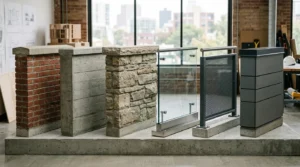
Brick is common in residential construction. It is affordable, easy to build, and works well with plaster or paint.
Concrete
Concrete is strong and durable. It is suitable for modern buildings and can be finished with paint, cladding, tiles, or texture.
RCC
Reinforced concrete is used where extra strength is needed. It can handle higher loads and works well for long-lasting construction.
Stone
Stone gives a premium and natural look. It is durable but can be heavier and more expensive than other materials.
Metal
Metal coping, aluminum panels, and steel sections are common in commercial and modern buildings.
Glass
Glass is ideal for open views and luxury design. It needs proper fixing, thickness, and safety-grade material.
Wood
Wood can be used for decorative elements, but it requires regular protection from moisture, insects, and sunlight.
Steel Grill
Steel grills are practical for balconies, terraces, and ventilation-friendly designs. They should be protected against rust.
Composite or Cladded Finish
Composite panels, stone cladding, tiles, and exterior-grade finishes can improve appearance and weather resistance.
Construction Details That Matter
Good construction is what separates a durable roof-edge system from one that leaks, cracks, or fails early.
Basic Components
Important components include the wall body, coping, flashing, roof membrane termination, drainage outlets, sealant joints, and reinforcement.
Thickness
Thickness depends on height, material, structural load, wind exposure, and local code. A brick barrier, RCC barrier, and glass system will all have different thickness requirements.
Reinforcement
Reinforcement helps control cracks and improve strength. RCC designs may include steel bars, ties, or proper anchoring with the roof slab.
Connection to Roof Slab
The connection between the roof slab and vertical edge is critical. Weak connections can lead to cracks, water entry, and safety issues.
Expansion Joints
Long walls may expand and contract due to temperature changes. Movement joints and flexible sealants help reduce cracking.
Coping
Coping is the protective cap placed on top. It should slope slightly so rainwater does not sit on the surface.
Flashing
Flashing protects the joint where the roof meets the vertical surface. It helps stop leakage at one of the most vulnerable points of the roof.
Waterproofing and Drainage
Waterproofing is one of the most important parts of any roof-edge construction. Many leakage problems start where the roof surface meets the vertical wall.
Why Leakage Happens
Common causes include cracks, poor coping, failed flashing, open joints, clogged scuppers, weak plaster, bad slope, and damaged roof membranes.
How to Waterproof Properly
A good waterproofing method may include surface cleaning, crack filling, primer, waterproof membrane, proper flashing, sealed coping joints, and protective coating.
Scuppers, Gutters, and Downspouts
Flat roofs need reliable drainage. Scuppers allow water to exit through openings in the raised edge. Gutters and downspouts then carry water away from the building.
Leakage Repair in parapet wall
To repair leakage, first find the source. Then seal cracks, repair coping joints, improve flashing, clean drainage outlets, and apply a suitable waterproof coating or membrane.
Dampness and Paint Peeling
Dampness often appears when water enters through cracks or open joints. Paint peeling, plaster damage, and interior stains are warning signs that waterproofing needs attention.
Advantages of a parapet wall
A well-built roof-edge barrier offers many benefits.

-
Improves rooftop and terrace safety
-
Adds privacy
-
Enhances exterior design
-
Hides rooftop equipment
-
Helps protect the roof edge
-
Supports drainage systems
-
Reduces wind impact at roof edges
-
Can support fire separation in some buildings
-
Makes terraces and rooftops more usable
-
Adds architectural character
Disadvantages
There are also some drawbacks if the work is poorly designed or poorly maintained.
-
Adds construction cost
-
Can increase structural load
-
Needs proper waterproofing
-
May develop cracks over time
-
Can cause leakage if coping and flashing fail
-
Needs regular inspection
-
Poor drainage can create water ponding
-
Repairs may become costly if ignored
Common Problems and Solutions
Cracks
Cracks may happen due to thermal movement, weak plaster, poor reinforcement, or settlement. Small cracks should be sealed early before water enters.
Water Leakage Near Roof Joint
This is one of the most common issues. Proper flashing, membrane turn-up, and sealant are needed at the roof-to-wall joint.
Broken Coping
Damaged coping allows water to enter from the top. Replace loose sections and seal open joints.
Rusted Steel Grill
Steel grills should be painted or coated regularly to prevent rust, especially in humid or coastal areas.
Loose Plaster
Loose plaster can trap water and damage the surface. Remove weak plaster, repair the base, and apply exterior-grade finish.
Poor Drainage
Clogged scuppers, gutters, and downspouts can cause standing water. Clean drainage points before the rainy season.
Wind Damage
Strong winds can damage roof membranes and edge details. Proper fastening and protected roof edges help reduce risk.
Cost Factors
The cost depends on design, material, location, and labor.
Material Cost of parapet wall
Brick, concrete, RCC, glass, stone, metal, and cladding all have different prices.
Height and Thickness
A taller or thicker structure requires more material and labor.
Design Complexity
Simple designs cost less. Decorative panels, glass, steel grills, stone cladding, and lighting increase the budget.
Waterproofing System
Waterproof membranes, coatings, flashing, sealants, and coping add to the cost but prevent expensive leakage repairs.
Labor and Location
Labor rates vary by region. Difficult roof access can also increase cost.
Repair vs New Construction
Repairing cracks or leakage usually costs less than rebuilding, but repeated repairs may indicate poor original construction.
Comparison with Similar Building Elements
Parapet vs Boundary Wall
A boundary wall surrounds a property at ground level. A roof parapet protects the edge of a roof, terrace, balcony, or elevated structure.
Parapet vs Compound Wall
A compound parapet wall marks the outer limit of a property. A roof-edge barrier is part of the building structure.
Parapet vs Retaining Wall
A retaining parapet wall holds back soil or earth pressure. A roof-edge barrier is mainly for safety, privacy, design, and roof protection.
Parapet vs Railing
A railing is usually lighter and may be made of steel, glass, or aluminum. A masonry roof edge is more solid and can also support waterproofing details.
Parapet vs Guardrail
A guardrail is mainly a safety barrier. A parapet can work as a guard, but it also has architectural, drainage, fire, and roof protection functions.
Parapet Roof vs Flat Roof
A flat roof is the roof surface. A parapet roof includes raised protective edges around that surface.
Mistakes to Avoid
Avoiding these mistakes can save money and prevent long-term damage.
Ignoring Waterproofing
Never treat waterproofing as optional. Most failures happen because water enters through cracks, open joints, or weak roof edges.
No Slope on Coping
Flat coping can hold rainwater. A slight slope helps water drain away.
Poor Roof Membrane Termination
If the roof membrane is not turned up and sealed properly, water can enter behind it.
FAQs
What is a parapet wall?
It is a low protective structure built above the edge of a roof, terrace, balcony, bridge, or walkway. It improves safety, privacy, appearance, and roof-edge protection.
What is the purpose of a roof parapet?
Its purpose is to improve safety, prevent falls, hide rooftop equipment, support drainage, protect the roof edge, add privacy, and improve building design.
What is the standard height?
There is no single universal height. It depends on local building code, roof access, terrace use, safety needs, and building type.
Which material is best?
RCC and concrete are strong and durable. Brick is affordable and common. Glass is best for modern views. Steel grills are useful for ventilation and design.
How do you waterproof it?
Use proper surface preparation, crack repair, flashing, coping, sealant, waterproof membrane, and clean drainage outlets.
Conclusion
A well-designed parapet wall improves safety, privacy, exterior style, drainage, and roof protection. The best results come from choosing the right height, material, coping, flashing, waterproofing system, and maintenance plan. For homeowners, it can make a terrace safer and more private. For commercial buildings, it can hide equipment, protect the roofing system, and improve the overall appearance. Whether your goal is design, construction, repair, or waterproofing, the key is to balance beauty with performance.







Post Comment