fanquer meaning: The Future of Digital Fandom Explained
The digital landscape shifts at a breakneck pace, frequently birthing new terms that change how we view online interaction. If you have spent any time tracking recent online movements, you may have crossed paths with a new digital neologism that is turning heads. Understanding the true fanquer meaning is becoming essential for anyone looking to navigate the next wave of internet culture, community building, and creator economics.
What is Fanquer? The Definition and Linguistic Origins
Defining the Neologism: A Blend of “Fan” and “Conquer”
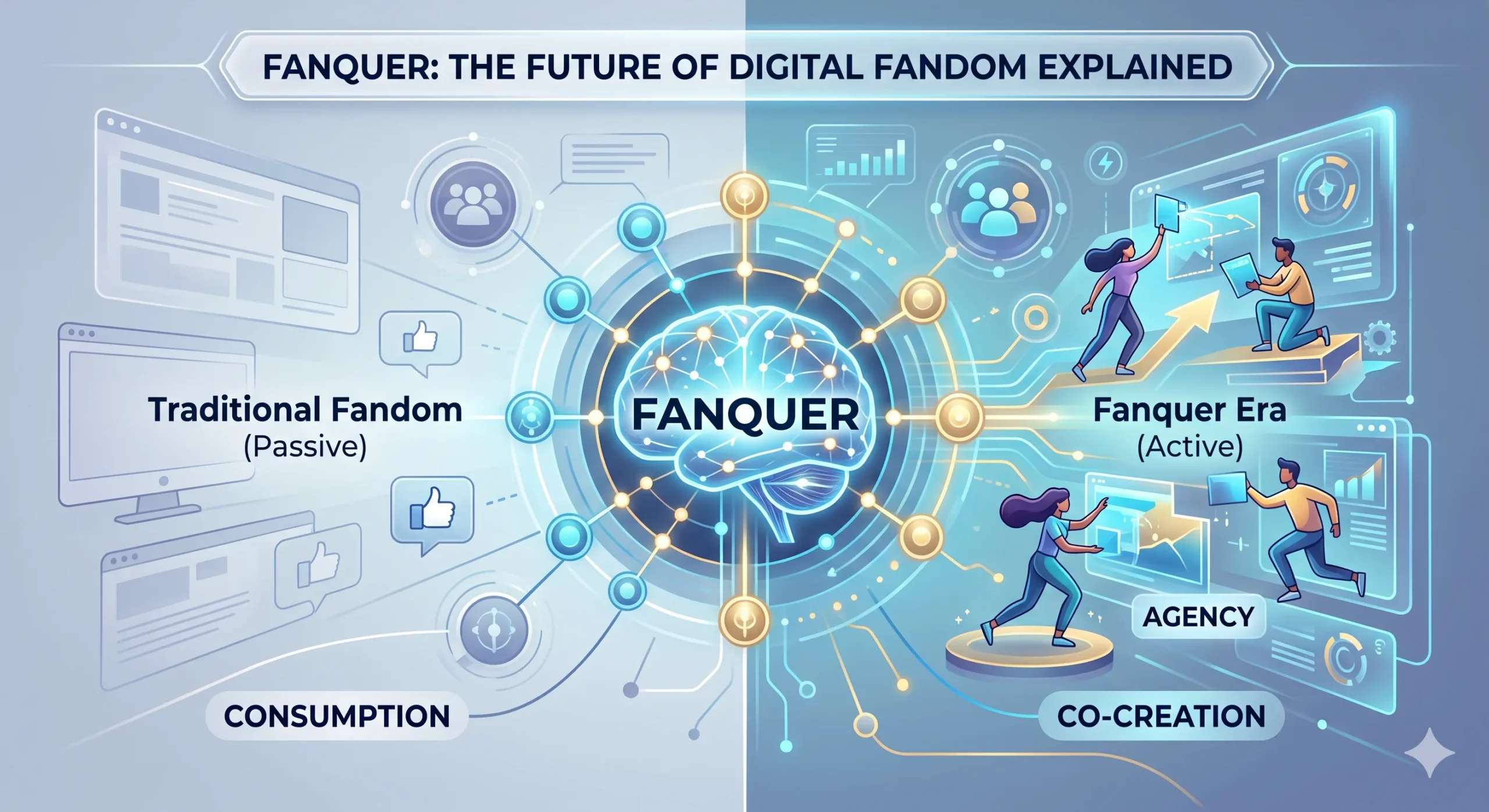
To grasp this concept, we have to look at how audience behavior is evolving. At its core, the term serves as a portmanteau blending the words fan and conquer. It describes a cultural environment where passive consumers transform into highly active participants who take true psychological ownership of a digital space.
Passive Viewers (Old Era) ──> Active Co-Creators (Fanquer Era)
In the traditional setup, audiences sit back, view media, and occasionally click a like button. In the fanquer trend, the community actively shapes, influences, and co-creates the very ecosystem they love, essentially conquering the traditional barriers that used to separate creators from their followers.
Tracing the Etymology: Where Did the Term First Appear Online?
Unlike corporate marketing speak, this phrase bubbled up straight out of decentralized online networks and social platforms. It grew rapidly as users looked for a single word to describe why humans crave fanquer connection so deeply in a fragmented digital world.
Instead of waiting for a central authority or a registered company to define their spaces, community members began using the expression to flag their active role in driving internet culture forward. It captures a specific digital engagement shift where the collective crowd holds the ultimate power.
Traditional Fandom vs. The Fanquer Era: What’s Changed?
From Passive Consumers to Co-Creators
The old way of running an online space relied on a top-down approach. A brand or a creator posted content, and the audience consumed it. Today, that dynamic is completely broken. We are currently living through a major transition into a distinct fanquer culture.
In this new environment, community ecosystems thrive because fans are treated as partners. They create memes, build community wikis, run dedicated discussion channels, and directly influence the creative choices of the brands they support. The boundaries that once kept audiences at a distance have entirely dissolved.
The Psychology Behind Modern Participatory Culture
Why is this trend catching fire now? It comes down to a fundamental human desire for agency and belonging. People no longer want to be numbers in a marketing funnel. They want an online identity that feels impactful.
Traditional Fandom:
  - Consumes media passively
  - Interacts via simple metrics (likes, views)
  - Keeps strict creator-audience boundaries

Fanquer Culture:
  - Drives participatory engagement
  - Validates digital identity
  - Fosters co-creation and audience agency
When users feel they have a genuine hand in building an ecosystem, their loyalty increases exponentially. This shift proves that participatory engagement is a much stronger emotional anchor than simple, fleeting online attention.
How Modern Brands Apply Fanquer Strategies
Building Decentralized Community Flywheels
For businesses, trying to understand what fanquer-era behavior is can open up entirely new ways to market to modern consumers. Smart brands are already moving away from old digital marketing strategy templates. Instead, they are adopting a community flywheel model.
Instead of pushing ads at an audience, these businesses build spaces where users can directly interact, suggest product updates, and create user-generated content. This strategy creates a highly sustainable ecosystem where the community naturally markets the brand to outsiders.
Case Studies: Real-World Brands Executing ‘Fanquer’ Style Community Models
We can see excellent examples of fanquer culture in action by looking at modern gaming platforms, open-source software projects, and web3 communities. In these digital arenas, the core user base handles everything from heavy moderation to creating modifications that keep the main platform fresh.
[Brand Platform] <──(Real-time Feedback)──> [Active Fan Base]
       │                                          │
       └───> (Co-Created Tools & Value) <─────────┘
These organizations succeed because they do not fear audience agency. They actively encourage it, creating a space where the traditional fandom vs fanquer debate is put to rest by letting the users take the wheel.
The Future of Digital Identity and Audience Agency
Monetizing Co-Creation in the Creator Economy
As we look ahead, the creator and audience boundaries will continue to blur. The future of online business belongs to networks that find ways to reward fans for their contributions. Whether through digital collectibles, governance rights in a forum, or direct revenue sharing, acknowledging user contribution is key.
This model changes the fundamental relationship between a platform and its users. It turns out that a true fan-powered digital marketing strategy is not about selling a product to a customer. It is about building a shared world where the customer is just as valuable as the creator.
Conclusion & FAQs
The rise of this movement highlights a permanent shift in internet subcultures. By looking past the surface-level business buzzword aspects of the trend, we find a genuine desire for deeper, more collaborative online spaces. Embracing co-creation and user agency is no longer an optional marketing trick; it is the new standard for building a lasting digital presence.
FAQs
Is fanquer a real platform or software app? No, it is not a specific software download or a standalone mobile application. It is a newly coined digital term used to describe a philosophy of high-level audience engagement and community co-creation online.
Is it safe to visit websites discussing this trend? Yes, it is perfectly safe. The term is a cultural concept used by digital marketers and online trend analysts to explain modern audience behavior. However, as with any new internet term, always verify that the specific blogs or forums you visit use secure connections.
What is the primary difference between standard engagement and this new trend? Standard engagement relies on passive metrics like page views, clicks, and video impressions. This new trend emphasizes active participation, where the audience directly contributes to the content, growth, and identity of the community ecosystem.






Post Comment