
babeltee Explained
Tea culture is changing fast. People no longer want only a simple cup of black tea or green tea. They want drinks that feel personal, colorful, refreshing, and easy to customize. This is why bubble tea, boba tea, pearl milk tea, fruit tea, matcha, and café-style beverages have become popular with young consumers and tea lovers.
The word babeltee is becoming part of this modern drink conversation. Some people connect it with bubble tea and tapioca pearls, while others use it for a wider tea lifestyle trend. The best way to understand it is as an emerging tea-related concept built around flavor, texture, customization, and modern café culture.
What Does babeltee Mean?
The meaning is not fixed like a traditional dictionary term. It appears to combine the idea of global taste with tea culture. The “Babel” part can suggest variety, mixed influences, or cultural connection, while “tee” points toward tea. Together, the word gives a modern feeling that fits creative drinks, social media trends, and personalized beverage choices.
In simple words, babeltee can describe a flexible tea drink inspired by bubble tea but not limited to one recipe. It may include black tea, green tea, oolong tea, matcha, herbal tea, milk, fruit, tapioca pearls, popping boba, jelly, aloe vera, honey, or plant-based milk. This makes it useful for content that explains both the drink and the lifestyle around it.
Is babeltee the Same as Bubble Tea?
It is closely linked with bubble tea, but it should not always be treated as the exact same thing. Bubble tea, also called boba tea or pearl milk tea, usually includes a tea base, milk or fruit flavor, sweetener, ice, and chewy tapioca pearls. It is known for its wide straw, fun texture, and many topping choices.
babeltee can include the same elements, especially boba pearls, brown sugar syrup, milk tea, taro milk tea, Thai milk tea, matcha, and fruit tea. However, it can also be broader. A lighter version may use green tea, oat milk, fresh fruit, aloe vera, and less sugar. A wellness-inspired version may include herbal tea, lemon, ginger, chia seeds, or basil seeds.
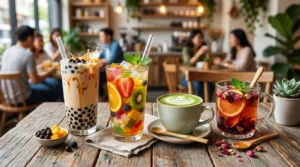
Why This Tea Trend Is Getting Attention
Modern café customers like control. They want to choose the tea base, sweetness level, milk type, ice level, and toppings. That is one reason bubble tea-style drinks perform well in cafés and on social media. A colorful drink with fruit, pearls, jelly, and layered milk tea can look attractive on Instagram and TikTok.
The trend also fits health-conscious habits. Many people still enjoy sweet drinks, but they also want lower sugar options, plant-based milk, fresh fruit, and lighter toppings. This is where babeltee becomes useful as a flexible idea. It can be creamy, fruity, refreshing, or wellness-focused depending on how it is made.
Common Ingredients Used in babeltee
A strong tea base is the heart of the drink. Black tea creates a classic milk tea taste. Green tea gives a fresh and light flavor. Oolong tea adds depth and aroma. Matcha gives an earthy taste and bold color. Herbal tea works well for people who want a caffeine-free option.
Milk choices can also change the drink completely. Dairy milk gives a creamy texture, while oat milk, almond milk, soy milk, and coconut milk make it suitable for plant-based or dairy-free preferences. Sweeteners may include brown sugar syrup, honey, stevia, agave syrup, fruit syrup, or coconut sugar.
Toppings bring texture and fun. Tapioca pearls add chewiness, popping boba adds a fruity burst, grass jelly feels soft, and aloe vera gives a refreshing bite. Some versions also include chia seeds, basil seeds, fruit jelly, egg pudding, fresh fruit pieces, mint, lemon, ginger, or berries.
Popular Flavors to Try
Classic milk tea is a safe choice for beginners because it is smooth and familiar. Brown sugar milk tea is richer and sweeter, making it feel more like a dessert drink. Taro milk tea has a creamy and slightly nutty taste, while Thai milk tea is bold, sweet, and aromatic.
Fruit flavors are also popular. Mango fruit tea, strawberry tea, peach tea, lychee tea, passion fruit tea, and lemon green tea are refreshing choices. Matcha milk tea works well for people who enjoy earthy flavors. Herbal blends with honey, mint, ginger, lemon, or berries can feel lighter and more natural.
The best flavor depends on your taste. If you like creamy drinks, choose milk tea with tapioca pearls. If you like refreshing drinks, choose fruit tea with popping boba. If you want something lighter, choose green tea with aloe vera and 30% to 50% sugar.
How to Order babeltee Like a Pro
Ordering becomes simple when you follow a few steps. First, choose your tea base. Black tea is strong, green tea is fresh, oolong is rich, matcha is earthy, and herbal tea is lighter. Next, choose whether you want a milk version or a fruit version.
After that, select sweetness level. Many cafés offer 0%, 30%, 50%, 70%, and 100% sugar. For most people, 50% sugar is balanced. Then choose your ice level. Less ice keeps the flavor stronger, while regular ice makes the drink colder and fresher.
Finally, pick toppings carefully. Tapioca pearls are best for chewiness. Popping boba is best for fruit flavor. Grass jelly and aloe vera are lighter choices. Avoid adding too many toppings because the drink can become heavy and overly sweet.
Is babeltee Healthy?
The answer depends on the recipe. A drink made with brewed tea, fresh fruit, plant-based milk, and less sugar can be a balanced choice. A large cup with full sugar, heavy syrup, creamer, and extra pearls can become high in calories.
Sugar is the main thing to watch. Brown sugar syrup, flavored syrups, condensed milk, and sweet toppings can increase sugar quickly. Tapioca pearls are also mostly starch, so they add calories. You do not need to avoid them completely, but portion control helps.
Caffeine is another point to consider. Black tea, green tea, oolong tea, and matcha usually contain caffeine. If you are sensitive to caffeine, choose herbal tea or ask for a caffeine-free base.
Vegan, Dairy-Free, and Gluten-Free Choices
babeltee can be made vegan or dairy-free when the right ingredients are used. Oat milk, almond milk, coconut milk, and soy milk are common options. Fruit tea without dairy is also a simple choice.
Tapioca pearls are often plant-based, but it is still smart to check the ingredients. Some cafés may use honey, dairy creamers, milk powders, or non-vegan jellies. People with strict diets should ask about toppings, syrups, and preparation methods.
For gluten-free needs, plain tapioca pearls are usually made from tapioca starch, but cross-contact can happen. Anyone with allergies should confirm with the café before ordering.
How to Make babeltee at Home
Start with strong brewed tea because milk, ice, and fruit can weaken the flavor. Brew black tea, green tea, oolong tea, matcha, or herbal tea, then let it cool. Cook tapioca pearls according to the package instructions until they become soft and chewy.
For a milk tea version, mix cooled tea with dairy milk or plant-based milk. Add a small amount of honey, brown sugar syrup, or stevia. For a fruit version, mix cooled tea with fresh fruit puree and ice. Add one topping, such as tapioca pearls, popping boba, aloe vera, or jelly.
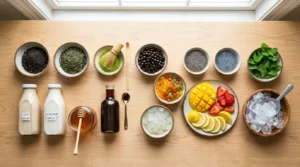
A simple lighter recipe can include green tea, mango puree, aloe vera, ice, and 30% sweetness. A creamy version can include black tea, oat milk, brown sugar pearls, and light syrup.
Common Mistakes to Avoid
One mistake is adding too much sugar. Sweetness should support the tea flavor, not hide it. Another mistake is using too many toppings. Pearls, jelly, pudding, and popping boba in one cup can make the drink too heavy.
Weak tea is another common problem. The tea should be strong enough to hold its taste after milk, fruit, or ice is added. It is also important to watch portion size because even a fresh drink can become high in calories when the cup is large and loaded with sweet toppings.
Final Thoughts
babeltee is best understood as a modern tea concept connected with bubble tea, boba culture, customizable drinks, and café lifestyle trends. It can be creamy, fruity, colorful, light, or dessert-like depending on the tea base, milk, sweetener, toppings, and flavor choices.
For readers, the best approach is to choose ingredients wisely, control sugar level, and enjoy the drink in moderation. For bloggers and cafés, the opportunity is to explain the trend clearly, cover real user questions, and provide practical guidance that is more useful than basic competitor content.
FAQs
What is babeltee in simple words?
It is a modern tea-related term often linked with bubble tea, boba, milk tea, fruit tea, toppings, and customizable café drinks.
Is babeltee the same as bubble tea?
It is strongly connected with bubble tea, but it can be broader. Bubble tea usually refers to a specific drink style with tea, sweetener, milk or fruit flavor, and tapioca pearls.
What are common ingredients?
Common ingredients include black tea, green tea, oolong tea, matcha, milk, plant-based milk, fruit puree, brown sugar syrup, honey, tapioca pearls, popping boba, jelly, aloe vera, and chia seeds.
Is this drink healthy?
It can be a better option when made with real tea, fresh fruit, less sugar, and moderate toppings. It can become high in sugar and calories when made with heavy syrups, creamer, large portions, and extra pearls.
Can I make it at home?
Yes. Brew strong tea, cool it, add milk or fruit, choose a sweetener, add cooked tapioca pearls or another topping, then serve with ice.








Post Comment